
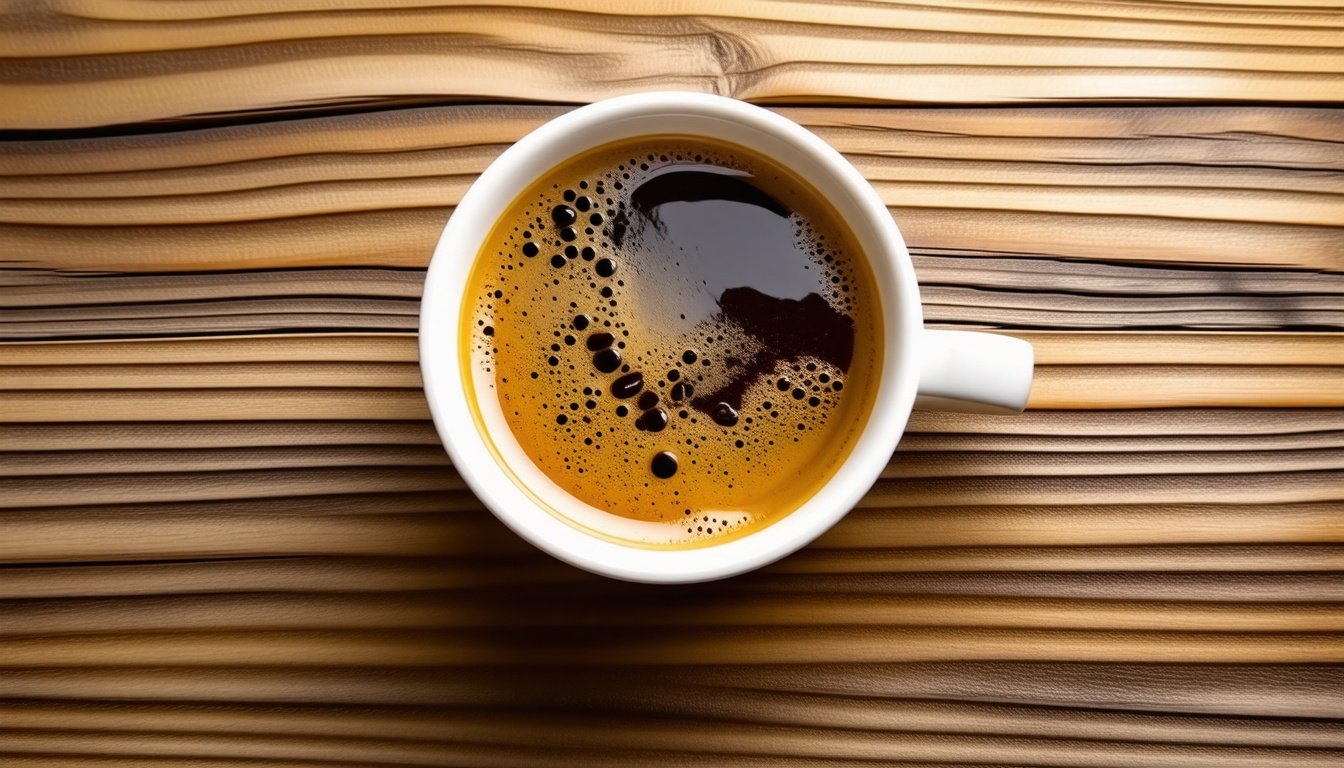
If you had told me a year ago that I would be roasting coffee beans in my own kitchen, I might have laughed and said, “Sure, maybe next year.” But here I am, with a small drum roaster humming quietly on my counter, and a whole new world of coffee has opened up—one full of surprises, mistakes, and little triumphs. What they do not tell you before you start roasting coffee at home is how much this simple act can change everything you thought you knew about that magical morning cup.
Roasting coffee at home is not just about turning green beans brown. It is a messy, smoky, thrilling adventure that teaches patience, curiosity, and sometimes humility. If you are thinking about diving in (or if you have already started fumbling with your first batch), here are some honest things I wish I had known before I began. Hopefully, this saves you a bit of the trial and error and gives you a little more fun along the way.
Green Beans Are the New Black
When I first grabbed my bag of green coffee beans, I did not know what to expect. They looked suspiciously like dried pea pods or something you might find forgotten at the back of your pantry. I tasted a raw bean once. Big mistake. It is like chewing on a dry leaf, and I say this with love.
Green beans are the blank canvas of coffee. They come from all over the world, and each origin has its own character, kind of like wine grapes. But unlike wine, these beans need your attention, heat, and care to turn into the aromatic magic we pour into cups. Picking good green beans matters. If they are old or poorly stored, your roast will taste off, no matter how perfect your roasting technique is.
Pro tip: Buy small amounts at first, so you can try different origins and roast profiles without wasting money or getting bored. And store your green beans in a cool, dark spot. They might look hard and tough, but they get old fast.
The Roasting Process Is a Rollercoaster of Emotions
I was shocked at how fast things happen once you start roasting. You think you have time to check a text, stare out the window, maybe organize your sock drawer. Nope. Roasting coffee demands your full attention from the moment you turn on the heat.
The temperature climbs. The beans start changing color, going from green to yellow, then from light brown to that beautiful medium or dark hue you desire. And then there are the sounds. Crack #1 and crack #2. Imagine popcorn, but slower and more dramatic.
Hearing that first crack feels like a personal victory, like the beans are waking up right in front of you. But if you let things go too far, you get a burned mess and a kitchen that smells like a bonfire.
So, be ready to watch, listen, and maybe even dance a little while your beans roast. This is not a task you leave alone for five minutes. It demands your presence.
Patience Is Your Best Friend (Even If You Hate Waiting)
My impatience was one of the biggest obstacles. Roasting coffee takes about 10 to 15 minutes, depending on the batch size and your preferred roast level. That might not sound like much, but when you want caffeine right away, it feels like an eternity.
The moment you first smell that popcorn or chocolate aroma is thrilling. But the beans are not ready yet. You have to wait for the profile you want. Dark roasts take longer, light roasts are faster and more delicate. Stopping a roast too early? You get a grassy, sour taste. Waiting too long? Charcoal city.
Roasting is a lesson in timing. It teaches you to slow down in a world that usually moves way too fast. Try to enjoy it — the smells, the sounds, the way the beans shift from one shade to another. It is weirdly meditative.
Equipment: You Do Not Need Fancy Stuff to Start
The internet is full of high-tech roasters that cost more than a small car. News flash: You do not need one of those to get started. My first roaster was a simple popcorn popper. Yes, the one you use for movie nights. With a few tweaks, it worked wonders. It was fun, cheap, and taught me so much before upgrading.
You can also roast using a cast iron pan or a heat gun and a wooden bowl. It is messy, but surprisingly effective if you keep turning and watching closely. I do not recommend it for big batches, but it is a great place to start if you want to test the waters.
Later on, I bought a small drum roaster. It was quieter, cleaner, and gave me more control, but the humble popcorn popper? It got me hooked.
The Smell Might Take Over Your Life (Or At Least Your Kitchen)
Let me be real with you: Roasting coffee at home will fill your kitchen with smoky, slightly burnt aromas. Sometimes they smell like a campfire, sometimes like burnt toast, and sometimes like coffee heaven. But neighbors? They might not be so thrilled.
This is your new reality. Open windows, use fans, or roast outside if you can. You will get used to it, but the first time you roasted, I remember being surprised by how much it filled the whole house (and then the whole building).
Also, expect to clean more. Roasting throws tiny chaff pieces around, and that stuff gets everywhere. It looks like coffee snow, but it is not nearly as pretty. If you love a tidy kitchen, that will be a challenge.
Not Every Roast is Perfect. Actually, Few Are at First
I wish someone had told me this right at the start. You will mess up. Your first batch will taste weird. Maybe it is under-roasted and grassy or over-roasted and bitter. Maybe it smells like burnt rubber. Do not panic.
Every batch you roast teaches you something. Maybe your temperature was too high. Maybe you did not listen carefully enough. Maybe the beans just needed a bit longer. Even the pros screw up. It is part of the process.
Keep notes. Write down which beans you roast, how long, at what temperature, and how they taste. Within a few batches, patterns emerge. You begin to anticipate how changes affect the flavor. You start to develop your own style.
Freshly Roasted Beans Need Time
Here is a funny thing: As soon as your roast finishes, the beans are not quite ready. They are actually “resting.” They release carbon dioxide, and if you grind them too early, your coffee might taste sharp or sour.
So, give your beans a day or two before brewing. This little rest period can make a huge difference in flavor. If you want the absolute freshest cup, grind right before brewing, but wait a bit longer after roasting. It is a balance.
Grinding and Brewing: The Other Half of the Magic
Roasting is one thing, but brewing is a whole other story. Fresh roasted beans are sensitive and react differently to grind size and brewing method.
I found that I had to experiment with my grinder settings. Too fine, and my coffee tastes bitter and over-extracted. Too coarse, and it tastes weak and sour. I also learned that my usual drip machine was fine, but the Chemex or French press actually brought out the beans’ character more.
Try different methods. Try different grind sizes. Your coffee is your story—tell it the way you like.
Green Coffee Beans Are Like Children—Each Unique and Needing Attention
You might roast a batch from Ethiopia one week and a batch from Colombia the next, and each will behave differently. The density, moisture, and size all vary. That means the roasting times and temperatures might need tweaking.
It kept me curious and humble. What worked for one batch was not a universal rule. Listening to my beans and paying attention to their quirks made roasting a bit like a conversation. More than time or temperature, this little dance is what makes home roasting special.
Joining a Community Makes a Difference
At first, I thought I could just wing it. Spoiler: I could not. Coffee roasting enthusiasts are out there with kindness and passion to share. Forums, social media groups, and local coffee meet-ups helped me troubleshoot mistakes and get inspired.
People shared their favorite beans, recipes, and mistakes (turns out, we all burn beans sometimes). Don’t isolate yourself in the kitchen, expecting to learn everything from scratch. Join the coffee roasting family. You will find humor, support, and amazing advice.
It Is Also About Joy
Above all, roasting coffee at home turned into a ritual I look forward to, a moment of focus and celebration. There is something joyful in holding a warm, crackling bag of freshly roasted beans and knowing you made that happen.
It deepened my love for coffee beyond caffeine addiction. It made each cup feel earned and special. If you like little adventures that fill up your senses and your soul, roasting coffee might just become your new favorite thing.
Some Quick Tips to Remember
- Start small to avoid waste and learn quickly.
- Pay attention to the colors and sounds during roasting. They are your best guides.
- Be patient. Rushing leads to mistakes.
- Use tools you already have before buying expensive roasters.
- Expect your space to get smoky. Ventilate as best as you can.
- Take notes. Keep track of what works and what does not.
- Let your beans rest for at least 24 hours before brewing.
- Experiment with grind size and brewing methods to find your favorite.
- Connect with other roasters. They will save your sanity.
Roasting coffee at home is a journey full of learning curves and small victories. If you are ready to trade the convenience of pre-roasted beans for the magic of creation, brace yourself for a messy, smoky, and utterly rewarding process. It is more than just coffee—it is a ritual, a challenge, and a joy wrapped into one.
So, if you are setting up your equipment or eyeing that bag of vibrant green beans, take a deep breath. Your adventure is about to begin. And trust me, your mornings will never be quite the same.