
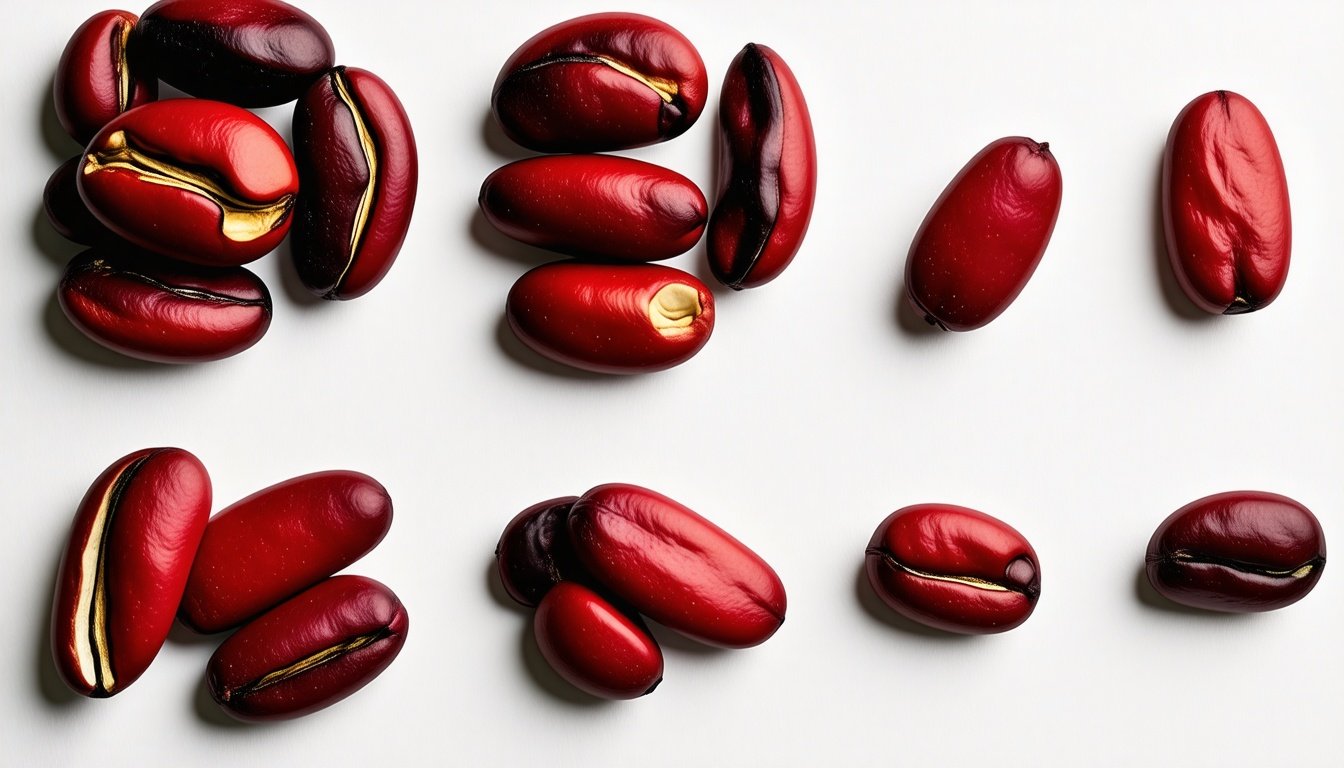
There is nothing quite like the smell of freshly roasted coffee beans filling your kitchen. It is a heady mix of excitement, anticipation, and just a little bit of nervous dread. Because, if you have ever roasted coffee at home, you know the rollercoaster of emotions it brings. One moment, you are feeling like a coffee wizard, the next you are standing in front of a cloud of smoke wondering what—exactly—just went wrong.
I learned this the hard way. I had my first batch of home-roasted beans go seriously south. Burnt. Charred. Almost unrecognizable. My kitchen looked like a small fire had danced through it. I was devastated but also a little curious disguised as stubbornness. What caused this disaster? And how do I make sure it never happens again?
So, I rolled up my sleeves, took notes, and made all the mistakes you can make so you do not have to. If you have ever felt your beans sear themselves into oblivion, or if you are just dipping your toe into the world of home roasting, this is for you. It will be messy, real, and maybe a little funny. Ready? Here is what I learned when my beans burned.
The First Burn: What Went Wrong?
Let us start with honesty. I did not understand my roaster properly. I thought more heat meant faster results. Faster means better, right? Coffee beans do not react well to such a short-sighted approach.
My first batch spent too long exposed to high heat. The beans went from green to black in what felt like minutes. They smelled like burnt popcorn and tasted like charcoal dust. Not exactly the awakening I hoped for.
After this disaster, I had to figure out what was actually happening inside that little roasting chamber.
Why Do Coffee Beans Burn?
- Too much heat too fast can immediately scorch the beans’ surface before the inside has a chance to develop flavor.
- Uneven heat distribution means some beans overcook while others are underroasted.
- Roasting for too long can push even a gentle roast over the edge into burnt territory.
- Ignoring color and sound cues means missing the exact moment beans transition from roasting to burning.
Burning beans is like cooking steak on a grill that is way too hot and leaving it there while scrolling your phone. It is easy to mess up and almost impossible to undo once done.
Learning the Language of Roasting
If you want to roast coffee at home without burning everything to a crisp, you need to learn to listen—to your beans, your roaster, and even your instincts. It is kind of like dancing with a partner who will not say a word but communicates with subtle shifts and twitches.
Color Changes Tell a Story
The color of coffee beans will move from a pale green to yellow, then light brown, medium brown, and finally dark brown. This progression is your roadmap. Watching those changes is the best way to avoid burning your batch.
When I burnt my beans, I was too distracted to notice the sudden leap from medium to dark brown. It happened quickly. I thought they still had time. They did not.
The Crack is Your Signal
Many home roasters talk about the “first crack” and “second crack.” These are audible pops as the beans expand and release moisture.
- First crack: This sounds like popcorn popping and signals that beans are entering what is called a light to medium roast stage.
- Second crack: This is a sharper, quieter snap that means the beans are darker, approaching a full or dark roast.
I missed the first crack entirely once because I was in a different room. The moment I heard the noise on my next attempt, I rushed over and adjusted the heat. If only I had known that sound was the beans telling me, “Hey, slow down, this is it.”
Tools and Tricks That Save Your Roast
If you want to dodge the burnt bean blues, you need tools that work with you, not against you.
Know Your Roaster
Not all home roasters are created equal. Some are small digital units with precise temperature control. Others are DIY setups using popcorn poppers or skillets.
Whichever your choice, understanding how your machine heats and circulates air is key. For example, my popper-turned-roaster blows hot air up through the beans, but it has no temperature control. It is easy to overheat quickly, so I learned to keep a close eye and shake the beans constantly.
The Importance of a Timer
Time is a tricky thing with roasting. Too short and your beans taste grassy or sour. Too long and you get that burnt mess.
I started using a simple kitchen timer. Nothing fancy. Just something to remind me to check the beans every 30 seconds or so. It helped me break the habit of wandering off and forgetting them.
Keep Notes
After every roast, I started writing down:
- Start temperature and method
- How long it took to hit the first crack
- How long I roasted after first crack
- How the beans looked and smelled
- The final taste of the coffee
This simple notebook became my best friend. It might sound nerdy, but it is the difference between guesswork and gradual progress.
Common Mistakes That Lead to Burnt Beans
If you have burnt your beans, you probably made one or more of these classic mistakes. I certainly did.
- Starting with too high heat: Bean roasting needs patience. High heat is tempting but harmful.
- Not shaking or stirring enough: Beans need to move to roast evenly. Sitting still means some burn while others do not roast enough.
- Roasting in thick batches: Overcrowding your roaster means heat distribution suffers. Less is more here.
- Ignoring sensory signals: Not watching color, smell, or sound cues makes burning pretty much inevitable.
- Getting distracted: Every minute counts when roasting. Multi-tasking leads to disasters.
The Emotional Side of Burning Your Beans
Burning beans is more than a physical failure. It can feel like a punch to your passion and a hit to your confidence.
I remember feeling annoyed, foolish, and a little defeated. I asked myself, “Do I even have the skill to do this?”
But here is the thing: failure is part of every art and craft. Good roasting takes time, patience, and a pile of burnt beans in the early days. There is something almost comforting in knowing every burnt batch nudges you closer to the perfect cup.
The key is not to quit. The key is to laugh at the mistakes, learn from the smell of disaster, and keep going.
How to Save a Roast That Is Starting to Burn
Sometimes, you realize partway that things are going south. What do you do then? Is it all lost? Not always.
- Lower the heat immediately. Turn the burner down or reduce your roaster’s power.
- Stir or shake aggressively. Get those beans moving to cool off hot spots.
- Remove some beans. If you have a way to take out a portion, do it and cool them separately.
- Ventilate the room. A smoky kitchen is not fun. Open windows or turn on a fan.
- Accept the outcome. Sometimes the roast is done but not perfect. Learn from the flavor and move on.
I have saved roasts by turning my attention back to the beans the moment I smelled the first hint of burning. It is not magic. It is paying attention.
After the Burn: What Comes Next?
Once you have your beans roasted—no matter the outcome—the journey is not over. What you do next affects flavor a lot.
Cooling Your Beans Fast
Beans continue to roast even after you turn off the heat. They also build flavors you might not want. Cooling them quickly stops the roasting process and locks in what you have.
I use a metal colander and give the beans a good shake while blowing cool air over them. It sounds silly but it works.
Letting Them Rest
Freshly roasted beans give off carbon dioxide gases for a day or two. This “degassing” is important. Brewing coffee too soon can taste weird or sour.
I usually wait 24 to 48 hours before grinding and brewing. It feels like waiting forever, but the results are worth it.
Making Peace with Burnt Beans
Even after all my learning, burnt beans still happen. Sometimes my control slips or a batch takes a turn I did not expect.
And that is okay.
Burnt beans become stories. They become the spark for better roasts. They remind me I am human. They keep me humble and curious.
If you ever burn your beans, do not sweat it too much. Brew that batch. Learn what the burnt bitterness tastes like. Then go back, try again, and feel that rush when you finally nail the roast.
Home roasting is messy, wild, and sometimes a bit smoky. But when it works, when you sip that coffee made from your own beans turned golden instead of black, it feels like winning something small and perfect in life.
So, here is my final friendly advice: burn once, learn twice, smile anyway, and roast on.