
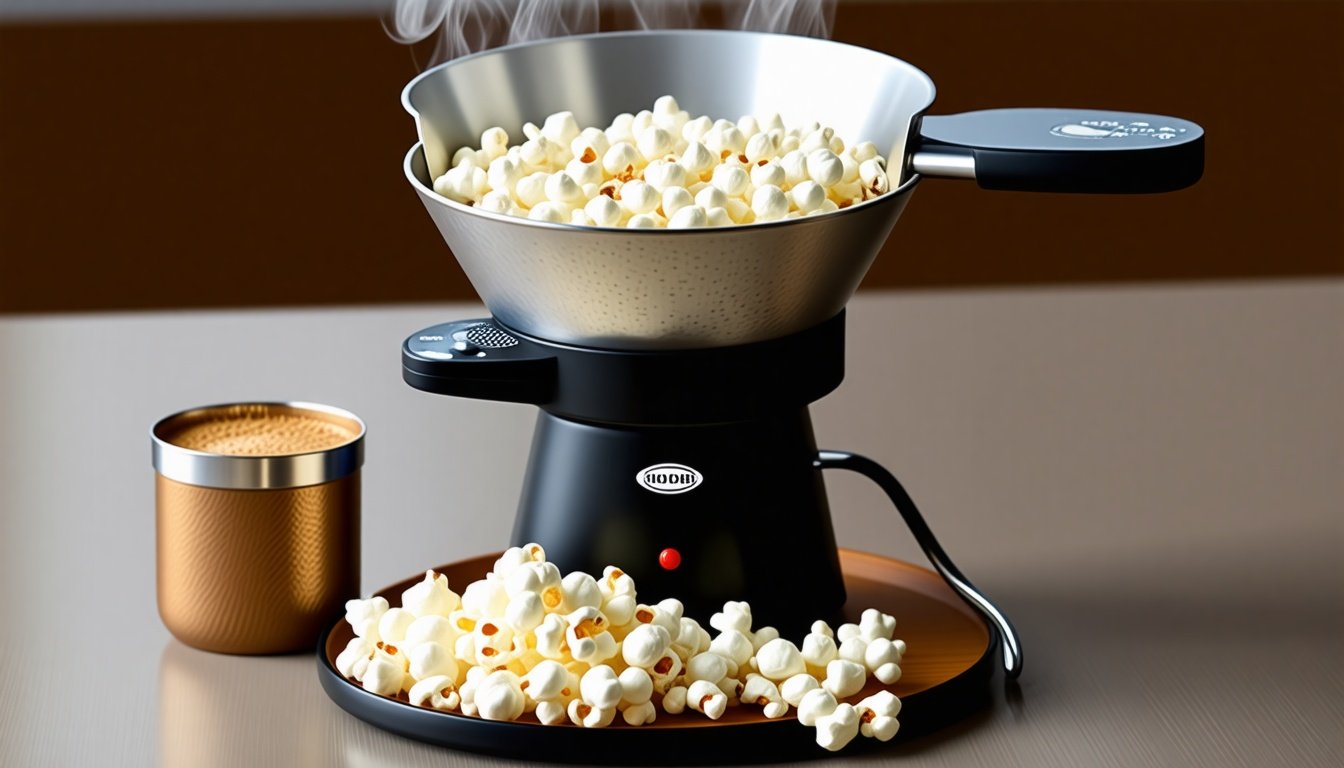
I never thought I would be the kind of person who roasts coffee at home. Sure, I like a good cup of joe, but roasting my own beans sounded like something only serious coffee nuts or hipster baristas did. Then I stumbled upon a quirky little gadget: the home popcorn popper used for roasting coffee. It was cheap, it was small, and it promised a front-row seat to fresh, aromatic beans. So, naturally, I bought one and decided to give it a shot. What followed was a mix of curiosity, fumbling, a little chaos, and, surprisingly, joy.
Why a Popcorn Popper?
Before I go any further, let me explain why anyone would try to roast coffee with a popcorn popper. It sounds odd, right? Popcorn is supposed to *pop*; coffee beans are supposed to turn brown and smell like heaven. Someone clever discovered that the hot air circulating in these poppers could roast small batches of coffee beans effectively. Plus, it is super affordable compared to those fancy coffee roasters that cost as much as a small used car.
For someone like me, who is curious but not ready to commit a fortune, this seemed like the perfect way to experiment. And although I knew it might take a few tries to get the hang of it, the idea of controlling the roast, from green bean to finished coffee, was thrilling.
First Impressions and Setup
The popcorn popper I picked up was a classic hot-air model with a simple clear plastic lid. Opening the box, I felt a little wave of excitement (and some disbelief). Was I really going to roast coffee in this? On the kitchen counter? What would the neighbors say?
Setting it up was easy enough. I found some raw green coffee beans online — yes, you can buy these beans just about anywhere now. They look funny, like tiny, wrinkly kidney beans, completely unlike the smooth, brown coffee grounds I am used to seeing.
- I poured in a small handful of green beans — about half a cup, since the popper warning said not to overload it.
- Placed it on the counter near a window (anticipating a lot of smoke).
- Plugged it in, crossed my fingers, and hit “on.”
The popper started humming, and the hot air began swirling. The beans started tumbling around, bouncing like a mini bounce house party. I watched them closely, noticing how slowly they changed color.
The Smells and Sounds of Roasting
So much about fresh roasting surprised me. For one, the sound: the popper’s roar mixes with the crackling of beans like tiny popcorn explosions (which they sort of are, just not the fluffy kind). It is surprisingly addictive — the noise, the movement, the raw energy.
Then comes the smell. Oh my, the smell. It starts green and grassy, something like fresh cut weeds but also oddly sweet. Then, about eight to ten minutes in, it shifts. The smell deepens into toasted bread, nuts, and just a hint of smoke. It filled the kitchen and made me breathe a little deeper, like something magical was happening right there.
First Crack
At some point, I heard it — a crisp, sharp pop sound like distant crackling fire. This is what people call “first crack” in coffee roasting. It means the beans are literally expanding and breaking open because the moisture trapped inside turns to steam. I felt a small thrill. It was like I caught a secret happening live, my own private coffee fireworks show.
Challenges and Funny Moments
Now, I will not pretend that the whole process was smooth or that I immediately made perfect coffee beans. Nope. I managed to smoke out my entire apartment at least twice. The first batch included some beans that were very unevenly roasted — some were almost burnt, others still green. I learned quickly that controlling temperature and timing is a tricky dance.
Also, the popper made a mess. The rapid tumbling sends some beans flying out unless you keep the lid tight. The smoke alarm went off once. My partner was not impressed.
There was also a moment when I panicked because the beans were darkening too fast, and I frantically unplugged the popper, dumping the beans into a metal colander. I tossed them around to cool them off, feeling like a mad scientist who just narrowly escaped an experiment gone wrong.
Tips for Anyone Trying This
If you are thinking about trying a home popcorn popper for roasting coffee, here are a few things I wish someone told me first:
- Do it near a window or outside. It gets smoky. Like, “open all the windows and doors” smoky.
- Use a bowl or colander to cool the beans fast. Beans keep roasting even after you turn off the heat, so tossing them in a cool metal colander helps stop that process quickly.
- Do small batches. Overcrowding will lead to uneven roasting. It is better to do more small batches than one giant one.
- Listen for first crack. This is your cue to finish roasting. If you want a lighter roast, stop soon after first crack; for darker roasts, wait longer but watch carefully not to burn.
- Be patient and take notes. Roasting is part science, part art. Write down what happens each time. It helps.
What About the Coffee Itself?
The moment I ground my first batch of roasted beans, the kitchen filled with the intoxicating smell of freshly ground coffee. It smelled sharp, alive, and completely different from store-bought grounds. Brewing that coffee was like tasting my first-ever espresso shot — rich, complex, surprising.
Some batches tasted a bit bitter or sour, which was disappointing but expected. Others were smooth, nutty, and almost caramel-like. It was fascinating to taste how the roasting time changes the flavor profile. Suddenly coffee was not just coffee; it was a little adventure in every cup.
The Surprising Joy of Roasting
What I did not expect was how much fun I had with the process. Watching the beans change, smelling the aromas, and knowing that I was creating something from scratch felt… good. Like baking bread or making homemade jam. There is a sense of pride in that kind of slow, tactile work.
Even the mistakes felt like part of the journey. Burnt beans turned into experiments with darker roasts. Bland batches taught me to adjust the roast time. The whole process made me appreciate coffee in a way I never had before.
A Small Community of Fellow Roasters
Online forums and social media groups filled with other home roasters became a surprising source of camaraderie. People shared tips, pictures of their popping beans, and stories of their mess-ups. It felt like being part of a little coffee family, all fumbling and celebrating together.
Would I Do It Again?
Absolutely yes. Despite the learning curve and the initial smoky chaos, roasting coffee in a popcorn popper was a rewarding experience. It opened the door to understanding coffee at a deeper level. And honestly, it made me look forward to my morning cup a little more.
Would I recommend it to everyone? Probably not those who want a quick and easy coffee fix. This takes time, patience, and a willingness to experiment. But if you love coffee and want to taste something fresh and personal, give it a try.
Who knew that a humble popcorn popper could unlock so much flavor and fun? Sometimes, the simplest tools bring the best surprises.
Happy roasting!