
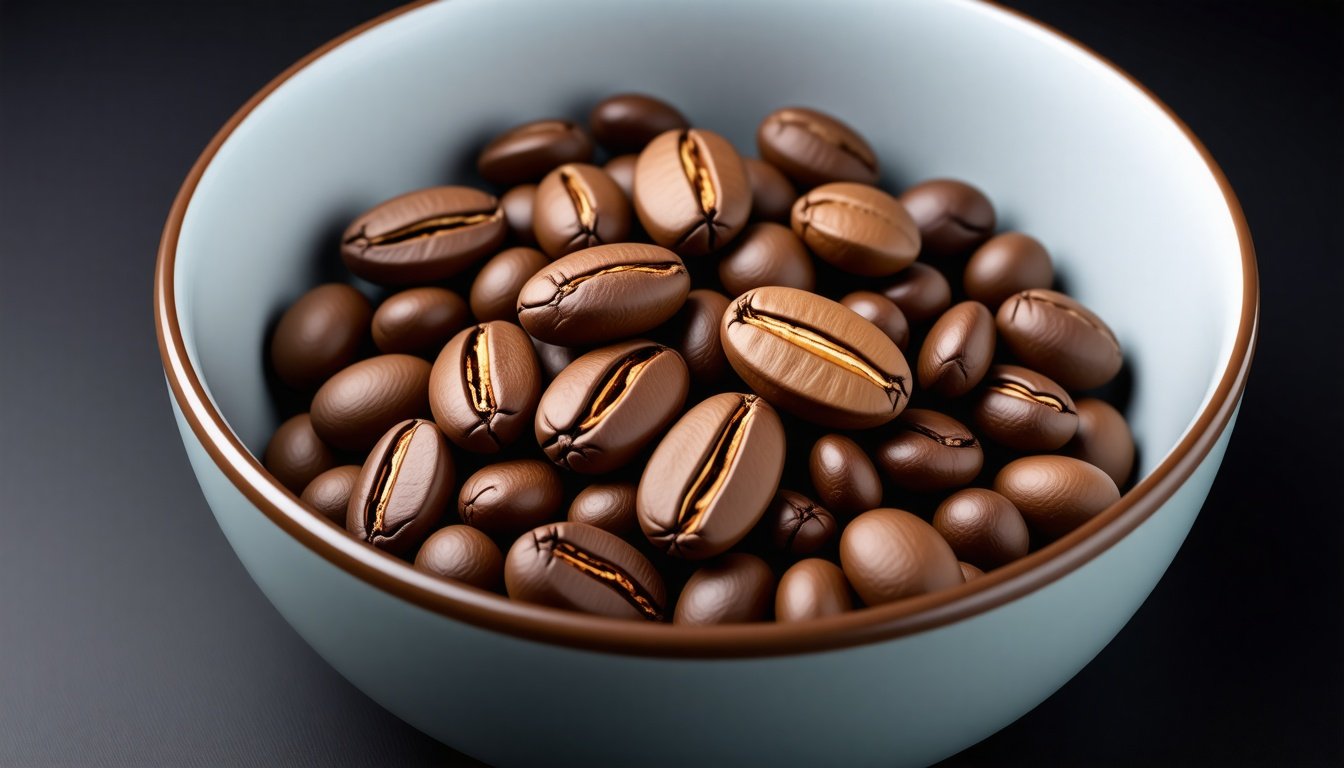
Roasting coffee at home feels a bit magical, does it not? Watching humble green beans transform, shedding their raw simplicity and bursting into aromatic, dark gems that promise comfort and buzz. But here is a small but mighty question that sneaks in pretty quickly: how much should I roast at once? This is not just about math or storage space. It is about finding that sweet spot between freshness, flavor, and sanity.
If you have ever roasted coffee in your kitchen, you probably noticed that the batch size has a sneaky way of messing with your experience. Too little, and you might feel like you are never quite done, always roasting again before your last beans had a chance to be fully enjoyed. Too much, and suddenly your coffee tastes stale or, worse, you waste precious beans that end up forgotten in the dark corner of your cupboard.
So, how do we, humble home roasters, find our perfect batch size? Let us break it down, get a bit personal, and maybe even laugh a little at the trials and errors we all face.
Why Does Batch Size Matter?
Okay, first things first. You might wonder, “Does batch size truly change the taste of my coffee?” Yes, it does. You are not just dumping beans into a roaster like some robot. Roasting is a living process. Heat moves differently depending on how many beans are in the drum. The air circulates, the beans jostle, and all of this affects the roast.
Short batches with just a few beans might roast unevenly because there is less heat retention. On the flip side, roasting too many beans can make the roast uneven in the other direction, leaving some beans scorched while others barely toasted. It can make your coffee bitter or flat.
But beyond the technicalities, batch size also ties to your life rhythm. How much coffee do you drink? How often do you want to roast? Do you like the thrill of roasting frequently or prefer a slow and steady supply of fresh beans at your fingertips?
Small Batch Roasting: The Charm
Small batch roasting means roasting just enough to serve your needs for a short time, often a few days to a week. For many home roasters, this is like cracking a secret code—the coffee tastes fresher, you get more control, and the entire experience feels a bit more intimate.
Think of it like baking cookies. When you bake just one small tray, every bite is as warm as a hug right from the oven. If you bake a huge batch and leave them for days, those cookies can lose their magic. The same with coffee.
What Counts as Small Batch?
- Between 50 to 150 grams (about 2 to 5 ounces) of green beans
- Enough for 4 to 8 cups of coffee, depending on how strong you like it
- Roasted every 2-4 days or weekly, depending on your consumption speed
This is where things start to get interesting.
You might be thinking, “That sounds small. Am I wasting time if I roast so often?” I get it. At first, it felt a bit like playing with tiny Lego bricks, fiddly and almost insignificant. But the upside? Each batch is fresh, vibrant, and bursting with all those flavors that get dull as days tick by.
The Downsides of Tiny Batches
Nothing is perfect (except maybe that first sip of coffee in the morning). Small batches mean you roast a lot, more often. And yes, that takes time, energy, and sometimes patience. If you are the kind who prefers to roast once and forget, this might feel like a chore.
There can also be a bit of inconsistency. Each roast might turn out slightly different because your technique or the roaster’s quirks fluctuate. Little batches make those changes more noticeable.
What Happens When You Roast Big Batches?
On the other hand, roasting larger batches, say 200 to 500 grams or more, means you do the hard work less frequently. It feels efficient and satisfying. You roast once, and there is coffee for weeks ahead—maybe even longer.
But there is a catch. Coffee begins to lose its charm after roast day. As the oils settle and the gases escape, the vibrant flavors fade. Bigger batches tend to sit longer, and stale coffee tastes… well, like sad coffee.
Also, roasting large amounts at home requires equipment that can handle it. Small home roasters might struggle, leading to uneven roasts or burnt beans on the edges.
How to Figure Out Your Sweet Spot
This is the heart of it all. Finding the right batch size feels like flirting with your own preferences and lifestyle. And no one else can do it for you.
- Track Your Coffee Habits: How much coffee do you drink daily? Write it down for a few days. Notice how many cups end up brewed from your beans.
- Consider Your Roast Schedule: How often do you want to roast? Every day sounds fun but tiring. Once a week is manageable but might risk stale coffee if batches are too big.
- Test and Adjust: Roast small batches at first. Note taste, how long the coffee stays fresh, and your feelings about the process. Then try bigger batches and see what you notice.
- Storage Matters: How you store roasted beans affects freshness. Airtight containers in a cool dark place help. This might allow slightly longer storage for bigger batches.
- Roasting Equipment Limits: Some roasters have minimum or maximum batch sizes. Playing within these limits ensures the best roast.
A Little Story About My Batch Size Journey
When I started roasting at home, I was convinced bigger was better. My first batch? Half a pound of beans. I was ready to become a weekend warrior, roasting and storing for days. And then I brewed my first cup—meh. Tasted flat and dull by day three. I felt robbed of all the care I put into the roast.
So, I shrank the batch to 100 grams. This meant more roasting, sure, but suddenly I was tasting brightness, liveliness, and those little subtle notes of fruit, chocolate, or nuts that make coffee feel like an adventure.
Yes, I roasted more often. It became part of my ritual—morning light, the sound of beans tumbling, the smell of roasting magic. It was work but also therapy. I learned to appreciate the funkier parts of home roasting—the learning, the experimenting, the tiny victories.
Tips for Small Batch Success
- Start with Fresh Beans: Great roasts come from good green beans. Buy from trusted sources and watch the harvest dates.
- Keep Notes: Write down batch size, roast time, temperature, and taste results. This will help you tune your process.
- Stay Patient: Roasting is a craft, not a microwave chase. Small batches teach you patience and attention.
- Use Proper Storage: Once roasted, store beans away from light and air. A one-way valve bag or airtight container is your friend.
- Embrace Variety: Small batches let you experiment with different beans and roast levels without wasting tons of beans.
When to Go Bigger
There are moments when scaling up makes sense. Imagine you have friends over all weekend long, or you want to gift your roasted beans to family. Larger batches support that. Or maybe your schedule only allows for one roasting day a week.
In those cases, roast generously but be ready to adjust your consumption—fresh grind, proper storage, and drinking fast all help keep the flavor alive.
Final Thoughts (But Not Quite a Final Thought)
Making coffee at home teaches you a little about balance. Between time and taste, ritual and efficiency, science and art. Small batch roasting gives you freshness at the cost of more effort but rewards you with joy in every cup. Bigger batches feel convenient but sometimes sacrifice that magic in your mug.
There is no single right answer here. Only what feels right for your mornings, afternoons, and quiet moments. So, take your green beans, start small, taste with curiosity, and let your perfect batch size find you. It might be tiny, it might be hefty, but it will be yours—and that is what truly matters.