
There is something wildly satisfying about roasting your own coffee beans at home. You watch those green beans transform, puff up, crack open, and finally exhale the rich, nutty aroma that makes a kitchen feel alive. But here is the kicker: no matter how proud you are of your home roast, your coffee can still taste flat or overbearingly bitter if you brew it the wrong way. That is where pour-over brewing steps in, like a gentle whisper that asks your coffee, “Tell me your story.”
Pour-over is not just a brewing method — it is a love letter to coffee’s subtleties, especially when working with those fresh, lovingly roasted beans from your very own counter. It gives you control, patience, and reverence for the flavors hidden inside each bean. And trust me, once you get the hang of it, you will never want to gulp your coffee like a kid trying to finish their veggies. Instead, you will want to sip, savor, and be amazed at the complexity swirling in your cup.
Why Do Home Roasts Need Special Attention?
When you buy coffee from a store, it has already been roasted, packaged, shipped, and sometimes sat on shelves for weeks before it reaches you. That means the beans have lost a lot of their volatile, delicate oils and aromatics. Sure, pre-roasted coffee can be delicious, but it is rarely as vibrant as fresh-roasted beans.
When you roast your own beans, you control everything: the roast level, the cooling, the freshness. Your coffee is essentially alive — full of potential, ready to burst into flavor. But that also makes it a bit demanding. Home-roasted coffee usually needs a brewing method that is slow, precise, and forgiving enough to coax out its nuanced personality without crushing it under the weight of too much heat or too quick extraction.
Enter pour-over.
What Is Pour-Over Brewing?
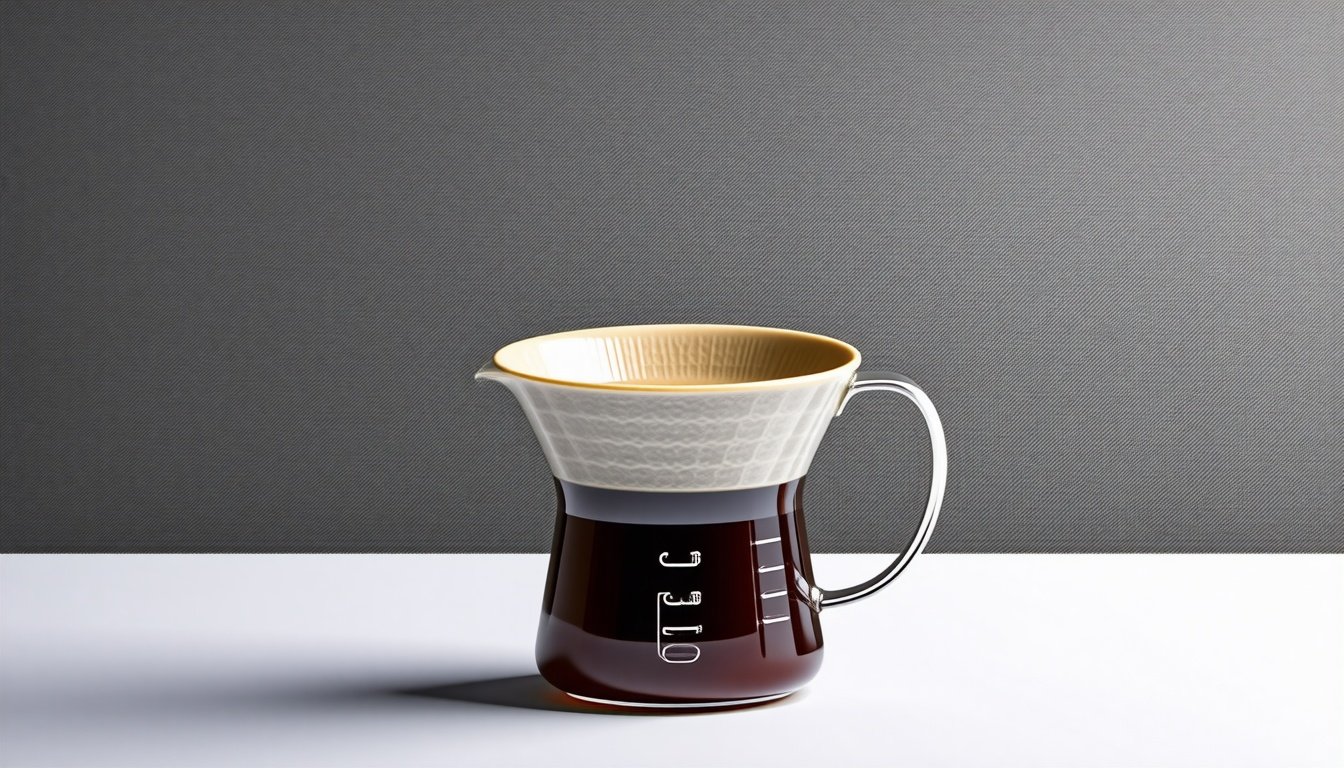
Pour-over brewing is simple. You place a paper or metal filter in a cone-shaped dripper, put it on top of your mug or carafe, add coffee grounds, pour hot water over them slowly, and let gravity do the work. Sounds basic, right? But the magic comes from how you pour and how patient you are.
- Water temperature matters
- Pouring speed and pattern alter extraction
- Grind size can make or break your brew
It is almost like painting with hot water, each pour coaxing just the right notes from your beans.
How Pour-Over Brings Out Subtle Notes
When I started roasting coffee at home, I would slam my fresh beans into my espresso machine or drip brewer and get a cup that tasted more… harsh and one-dimensional than vibrant and alive. Why? Because those machines often brew too fast, use too much pressure, or boil the water hotter than ideal for fresh roasts.
With pour-over, I learned to slow down. I started with medium heat water — around 200 degrees Fahrenheit — and poured in spirals, gentle and deliberate. That slow bloom phase, where the coffee grounds swell a bit as they meet the water, feels like giving your beans a moment to wake up and say hello. When I let them bloom and then continuously pour in small pulses, more and more delicate flavors emerge: bright citrus, chocolate fudge, hints of jasmine, berry sweetness, or that soft nutty finish that made me grin.
The magic? Pour-over drip is gentle and respects the bean’s fragile complexity instead of bulldozing through all the flavor like a hurricane.
Fresh Roasts + Pour-Over = Flavor Adventure
Each roast I create tastes different, sometimes wildly so. One day I have a Kenyan roast that sings with floral and berry notes, the next I am sipping a dark Colombian that tastes like toasted almonds and a touch of caramel. The pour-over method lets those flavors come forward without any bitterness or muddiness.
I think of it like this: roasting is the artist, and pour-over is the frame that gives the artwork room to breathe and be appreciated. Skip the frame, and the colors don’t pop. Too much frame, and the art feels cramped.
Tools and Tips for Pour-Over Brewing at Home
If you have never dipped your toes into pour-over, here are some basics to start with:
- Dripper: There are many options — Hario V60, Kalita Wave, Chemex. Each has a slightly different flow and flavor profile. The V60 is a favorite for those who like full control.
- Filters: Paper filters absorb some oils, making the coffee cleaner and brighter. Metal filters let more oils through, giving a fuller body but sometimes more sediment.
- Scale: Yes, this sounds fancy, but weighing your coffee and water makes a huge difference. You will get more consistent results and less “guess and hope.”
- Gooseneck kettle: This is a kettle with a thin, bendy spout. It lets you pour slowly and precisely, which is vital for good extraction.
- Grinder: Freshly ground coffee is the secret weapon. Burr grinders are better than blade grinders because they produce uniform grounds.
How To Brew a Basic Pour-Over With Home-Roasted Beans
- Heat water to about 200 degrees Fahrenheit (just off the boil).
- Place your filter in the dripper and rinse it with hot water to get rid of paper taste and warm your mug.
- Add 20 grams of freshly ground medium-coarse coffee to the filter.
- Start pouring about 40 grams of water in a slow spiral, making sure all grounds are wet. Let it bloom for 30 to 45 seconds.
- Continue pouring water slowly, in small circles, until you reach 300 grams total.
- Let the water drip through completely, then remove the dripper and enjoy!
This method takes about three to four minutes. If it goes too fast, your grind is too coarse. Too slow? Grind is too fine.
Why Pour-Over Feels Like a Ritual
There is something calming about standing over a steaming mug, gently pouring water, watching coffee bloom and drip. It is slow, intentional, almost meditative. It forces you to be present, to build a small moment of joy out of daily chaos. You get to connect — with your coffee and yourself.
Even the sound of water hitting the grounds, the smell of that first deep whiff, feels like the grown-up version of magic. This process helps me slow my morning down and enjoy simple things that often get lost in a busy day.
Messing Up and Learning
Do not worry if your first few cups taste weird. I have brewed some real train wrecks. Sometimes the water is too hot, or I pour too fast, or my roast is a bit underdeveloped. Every mistake taught me something new about my beans and method.
And that is part of the fun, right? Getting to know your coffee like a friend. Learning how it behaves, what it loves, what it hates. Pour-over gives you that chance, where other machines hide it behind fancy buttons or noisy grinders.
The Emotional Connection of Pour-Over and Home Roasts
When I drink a cup brewed by pour-over, made from beans I roasted myself, I feel a quiet pride. It is a tiny accomplishment in a messy world. All those little steps — selecting green beans, watching the roast, grinding, pouring, waiting — come together in a cup that tastes like me. Like my morning. Like my kitchen.
Not to be overly sentimental, but coffee brewed this way feels like friendship. Like slow conversation. Like a moment carved out just for myself. And that is worth more than any fancy café latte.
So Why Not Try It?
If you have a stash of home-roasted beans sitting on your counter, do yourself a favor and give pour-over a shot. Don´t just gulp your coffee — coax it, nurture it, ask it gentle questions. Let your morning coffee be more than just caffeine; let it be a delight, an adventure, a small celebration.
It will take patience and a bit of trial and error, but once you catch your rhythm, you will wonder why you ever settled for anything else. Pour-over is simple, soulful, and honest. Perfect for showing off the best you have grown, roasted, and brewed in your own home.
And hey, the day you finally nail that perfect pour-over cup from your own roast is going to be a day worth remembering.