
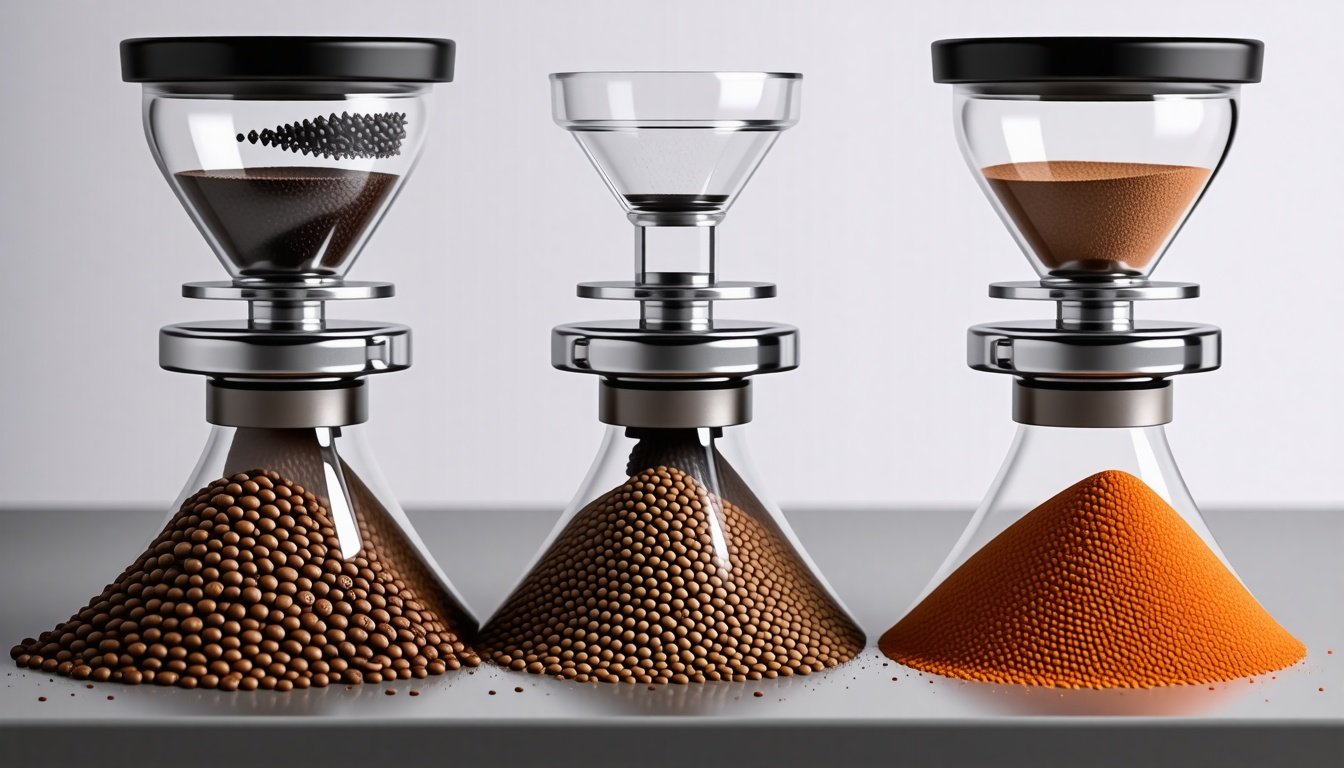
Grinding My Way to Better Coffee
I used to think all coffee grinders were created equal. You put beans in, turn a knob, and magic happens. Either you get some dust or chunky bits. But never that sweet spot where coffee feels velvety, smooth, and just right. It took me a while to realize that grinding isn’t a one-size-fits-all deal. Honestly, it hit me like a splash of cold water one morning when I tasted a brew that was completely off. The culprit? My grinder settings, stuck on “medium” for every roast I had. Rookie mistake.
My journey to calibrating my grinder for different roasts turned out to be a slow, sometimes frustrating, but deeply rewarding adventure. Here is how I went from grinding blindly to dialing in the perfect settings, no matter what kind of roast was in my hopper.
Why Does Grind Size Matter So Much?
Imagine trying to squeeze juice out of a lemon by just squeezing it gently versus actually pressing and rolling it. Different methods give you different amounts of juice, right? Coffee is kinda like that. The grind size controls how much surface area the hot water touches, which changes how much flavor gets pulled out.
Too fine, and your coffee might taste bitter or over-extracted — like chewing on leftover espresso puck. Too coarse, and it’s weak, watery, like someone accidentally diluted your cup with water. The sweet spot changes not only depending on your brewing method but also the roast type. Dark roasts are softer, kind of brittle, and break down differently than lighter, denser beans.
It surprised me how roasting changes the bean’s texture in a way that demands a different grind. Dark roast beans, roasted longer and darker, crumble more easily, meaning they need a coarser grind to avoid over-extraction. Light roasts are tougher, requiring a finer grind to properly extract their bright and complex flavors.
Starting Point: The Grinder and The Roasts
I use a burr grinder—please do yourself a favor and skip blade grinders. They are inconsistent and produce uneven grounds. Burr grinders can be set precisely, and that’s the whole point here.
I keep a variety of roasts at home—light, medium, and dark. Each one sings a different tune, so I need my grinder to match their rhythm.
Step One: Get to Know Your Grinder
- Check the markings: Most grinders have settings that go from fine to coarse. Mine has numbers from 1 (finest) to 20 (coarsest).
- Start in the middle: I usually begin at 10 when trying a new roast.
- Pay attention to how the beans look and feel as they grind.
Here is an odd thing: even the same number can yield different results based on how fresh your beans are. Fresh beans tend to grind more consistently. Stale beans are harder and break up differently. So, freshness also nudges me to tweak the grind a bit.
Testing Grind Settings: The Experiment
One morning, I picked my light roast and set the grinder to 10, brewed an Aeropress, and grimaced at the sour, underwhelming mess. No, no, no.
I adjusted the grind finer, hitting about 8, then brewed again. Better. Bright notes came through, and the acid balanced nicely with sweetness. Then I tried the dark roast at 10, and the cup was bitter and heavy. Switched to a coarser grind — around 13 — and things opened up. The bitterness went away, replaced by a smooth, chocolatey richness.
The difference startled me. The same grinder setting created a completely different cup depending on the roast.
Here is a little checklist I use:
- Light roasts: grind finer than usual (around 7-9 on my scale)
- Medium roasts: mid-range grind (9-12)
- Dark roasts: coarser grind (12-15)
Of course, these numbers are not gospel. Your grinder will be different, your beans fresh, and your brewing method unique. But these give a ballpark to start from.
The Brewing Method Matters
Grind size and roast type interact, but so does your brewing style. I found this out the hard way when I switched from Aeropress to French press.
French press demands a coarse grind to avoid sludge and bitterness. When I ground my medium roast on Aeropress settings for French press, it was mud in a cup. Similarly, espresso calls for very fine grinding, and roasts respond differently there too. My dark roast ground too fine for an espresso gave me a burnt flavor, while light roasts at the same setting tasted too sharp.
The takeaway? Always adjust grind size based on both roast and brew method. Think of it as a three-legged stool: roast, grind, and brew. If one leg is off, your coffee teeters.
Getting Hands-On: The Tasting Ritual
Calibrating the grinder became this ritual I grew to love. It is like a conversation with the coffee. You grind, brew, taste, tweak, repeat. Some mornings, I would spend nearly an hour fine-tuning the grind until the cup felt just right. Patience became my friend.
Here is what I learned about tasting:
- Acidity: Often a sign of under-extraction — try grinding finer.
- Bitterness: Usually a sign of over-extraction — try grinding coarser.
- Sourness: Could mean too fast brewing or grind too coarse.
- Flat or dull: Might mean grind too fine or stale beans.
- Balance: That sweet spot where you taste all the beans’ flavors, neither too sharp nor too muted.
It made me realize that tasting coffee isn’t just about flavor but about clues—signals my grinder was off or my brew time was too long. The more I paid attention, the better I got.
Quick Tips From My Trials and Errors
- Keep notes: I write down grind settings, roast type, and brew method for every cup that hits the spot. It saved me from guesswork.
- Clean that grinder: Old grounds clog and mess with your settings. I clean mine weekly, and it makes a difference.
- Adjust in small steps: Jumping from 10 to 15 grind setting is too big. Small adjustments let you find the sweet spot.
- Use consistent doses: The amount of coffee you use should stay the same when testing grind sizes.
- Practice patience: Grinding and tasting is a process, not a race.
Why It Feels Worth It
The beauty of calibrating my grinder is how it turned coffee making from a routine to a creative ritual. When I get the grind right for a roast, the cup tastes like the beans are telling their story, and I feel like I helped them sing. It is the difference between a meh morning and a morning that whispers, “Hey, today is going to be okay.”
Besides taste, dialing in grind size helped me waste less coffee. I no longer pour out half a cup because it tastes like dirt or vinegar. It felt good to waste less and get more joy for my efforts.
And there is something quietly satisfying about mastering this small skill. It feels like a tiny superpower in the kitchen, like tuning a guitar before playing your favorite song.
Final Thoughts (But Not Really)
Calibrating your grinder for different roasts is a journey, not a destination. Beans change, seasons change, even your taste buds change. But once you start paying attention, you become a better listener.
So, grab your grinder, some different roasts, and go play. Make a mess. Taste wildly. Adjust slowly. Find your own sweet spots. Your perfect cup is waiting—one grind at a time.