
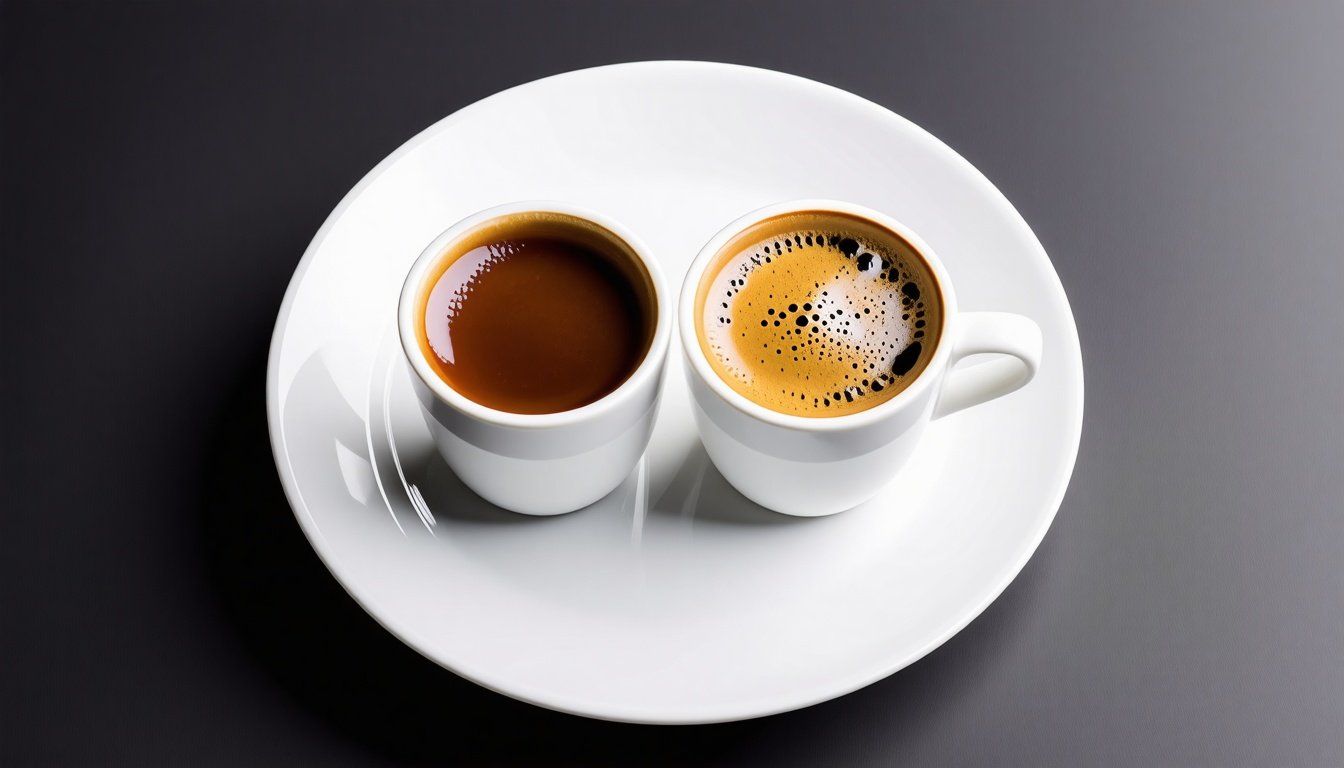
There was a time when I thought espresso was all about the machine. You know, the flashy, shiny contraption with a fancy pressure gauge, a steam wand that hisses like a dragon, and buttons that promise a shot worthy of an Italian café. I chased after the latest gadgets, spent a small fortune on grinders and tampers, and even tried to convince myself that a $20 espresso pod was the shortcut to coffee heaven. Spoiler alert: it was not.
What I did not realize back then was how much the beans themselves matter. Not just any beans, but fresh ones, roasted to perfection, bursting with personality. And no, I am not talking about the supermarket bags that have been sitting under fluorescent lights for months. I mean roasting my own coffee beans at home, from green to glorious. It sounded intimidating, almost a little crazy. But the moment I tried it, my espresso shots transformed. Here is how that happened—how roasting beans in my own kitchen shook up my coffee game in ways I did not expect.
Why Home Roasting Felt Like a Wild Adventure
Let us get one thing straight: roasting coffee at home is not simple. It is not like boiling water or pressing a button on a pod machine. It takes time, patience, and a bit of trial and error. But that wild ride is part of the charm. I remember the first time I cracked open a bag of green coffee beans—little pale nuggets with no aroma besides a faint grassy smell. I found myself wondering, “What on earth am I going to do with these?”
Then, I watched a few videos, read some blogs, and decided to jump in with a popcorn popper (yes, really). The beans started to dance and pop, the kitchen filled with an earthy, sweet smell, and I realized this was not just cooking—it was alchemy.
That process made me ridiculously proud. It felt like I was part artist, part scientist, part mad inventor. Suddenly, coffee was not a boring daily routine. It was a mini celebration every time I roasted a batch. Every roast was a mystery box: would it taste nutty, fruity, smoky? Would it be too light or scorchingly dark? That sense of discovery made pulling my next espresso shot feel like cracking a secret.
How Roasting Changed the Way I Thought About Espresso
Before home roasting, I had a sort of blind spot. I thought espresso was all about the machine, grind size, and tamp pressure. Those things do matter, but beans? If they were fresh enough and decently roasted, that was the end of the story. Nope. Roasting made me realize that beans carry a whole world inside them. And how you roast them cracks that world open in different ways.
When I brewed my first espresso using freshly roasted beans, I saw immediate differences:
- Flavor explosion: The shot was brighter, fresher, and had this lively complexity that was missing before.
- Better crema: That golden foam that tops espresso became thicker and creamier, almost like a latte’s velvet.
- More control: By tweaking the roast time, I could coax out different notes—sometimes chocolatey, sometimes fruity, sometimes spicy.
The kicker? All of this without changing my machine or spending more money on fancy gear. Just the beans, roasted at home.
How I Learned to Roast Without Losing My Mind
Starting out as a home roaster is like juggling flaming torches while riding a unicycle. Okay, maybe not that extreme, but almost. There are a million variables—roast time, temperature, bean type, airflow, cooling speed—and none of it is written in stone.
I started small, learning to listen to the beans instead of rushing the process. Here are a few things that helped me keep my sanity:
- Simple tools are fine: I started with a popcorn popper. It was cheap, easy to use, and gave me a hands-on feel for how beans behave when heat hits.
- Watch, listen, smell: Coffee beans give off clues. First crack (that popping sound) means the beans are expanding; second crack means darker roasts. Smell goes from grassy to toasty to smoky. These cues helped me find my sweet spot.
- Take notes: I jotted down roast times, temperatures (if available), and tasting notes every time. It was like building my own coffee dictionary.
- Be patient: Some batches tasted funky at first. That was okay. It is part of learning.
Every time I sat down for an espresso, it was like tasting tiny victories, little rewards for all that imperfect, messy effort.
The Brewing Equation Got a Lot More Fun
Once I had fresh beans roasted at my pace, I noticed that I could finally mess around with my brewing technique without endlessly chasing flavor disasters. The beans gave me more room to experiment:
- Grind size mattered more: The freshness of the beans meant a finer grind revealed bright, intense flavors, while a slightly coarser grind tamed acidity or bitterness.
- Tamping pressure became a tool, not a battle: I played around, sometimes pressing harder, sometimes lighter, to see how the taste shifted. With fresh beans, the results were clearer.
- Extraction time was no longer a guessing game: I could dial in the perfect 25-30 second shot and taste all the layers unfold.
In short, roasting beans at home added new dimensions to something I had treated as routine. Espresso stopped being a chore and became a small act of creative expression.
How This Changed My Relationship With Coffee
It is funny how the simple act of roasting coffee at home rewired my whole morning ritual. Espresso was no longer just fuel or a caffeine hit; it became a moment, a ritual, a little triumph before the day started. The smell of roasting beans filled my kitchen and felt like a cozy hug on chilly mornings. My espresso was better, yes, but honestly, it was the process that made it feel so much richer.
I also found myself caring more about coffee origins, farmers, and roast profiles. I was not just buying a bag; I was connecting to the story behind those beans. The tiny, green nuggets had traveled thousands of miles, and I was finishing the journey. That made me appreciate coffee as not just a drink but a craft, a culture, a human story.
Some Tips for Anyone Thinking of Trying Home Roasting
- Start small: Don’t try to roast a pound on your first go. A small batch lets you experiment without wasting money.
- Use fresh green beans: Buy from a trusted supplier that stores beans well. Old beans will make your espresso taste dull.
- Invest in a decent scale: Weigh your beans before roasting. Consistency is your friend.
- Cool the beans quickly: After roasting, spread your beans on a baking sheet or use a fan to cool. Leaving them hot ruins the flavor.
- Wait a day before brewing: Let your roasted beans “rest.” The flavors settle and develop after roasting.
- Keep a roasting journal: Write down everything. Times, temperatures, notes about flavor, and what you liked or did not like.
Why Roasting and Brewing at Home Feels Personal
There is magic in holding a warm cup of espresso pulled from beans you just roasted yourself. It is a kind of craftsmanship that connects you to the earth and the people who grow the beans. It is also a reminder that good things take time and a little love.
This experience made me realize coffee is not just a drink. It is an invitation to slow down, pay attention, and find joy in small rituals. That first crack you hear while roasting is like a whisper saying, “You are doing something good.”
So if you are curious, maybe a little nervous, about roasting your own beans, I say go for it. Yes, it is messy. Yes, it takes time. But that cup you pull after all the effort? It might just become your favorite shot of espresso ever. At least it did for me.