
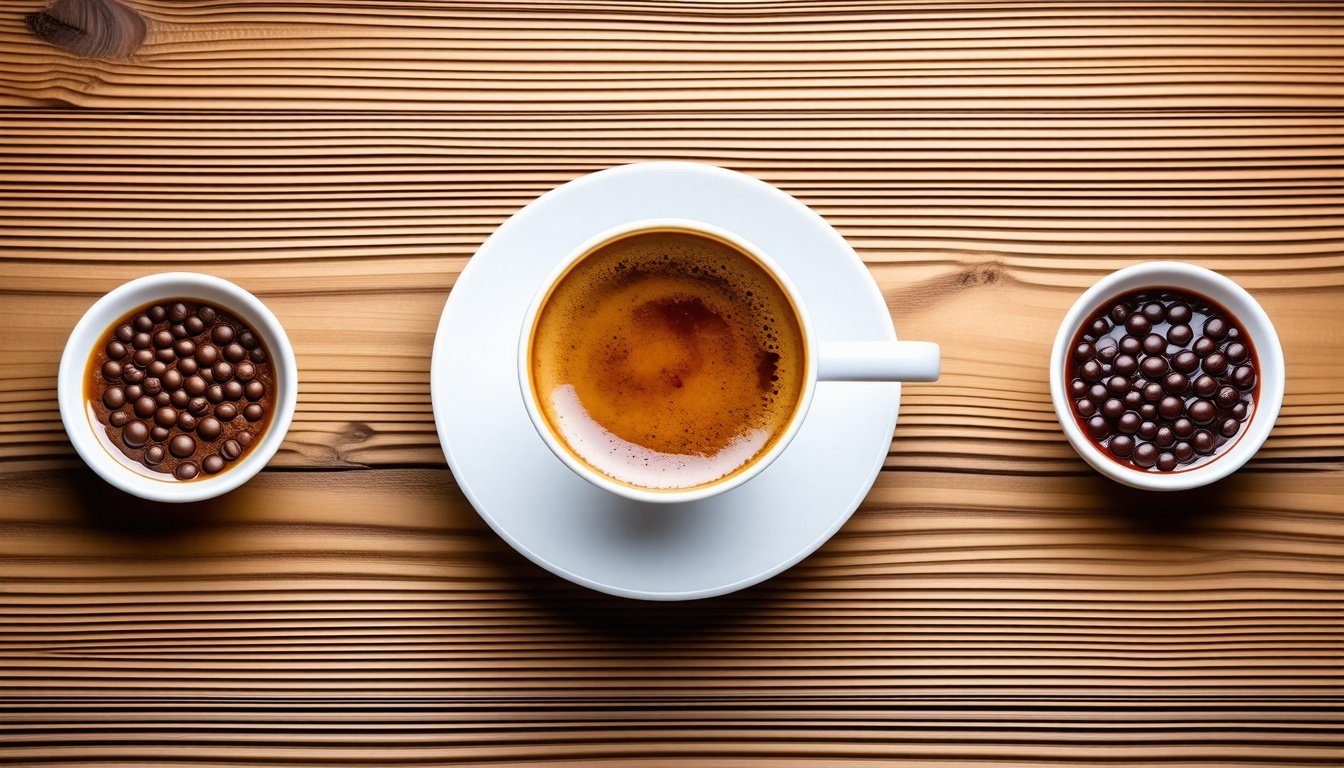
There is something magical about waking up and knowing you are about to make coffee that no one else has tasted yet. Not the usual stuff from a bag or something you grab on the way out the door, but coffee born from your own hands—green beans transformed by heat and a little patience into a cup of joy. It is like alchemy but way simpler and with a better reward. Let me take you through a day in my coffee routine, where roasting meets brewing, and flavor flies out the window like a bird freed from the cage.
Morning Vibes: The Call of Coffee Begins
First thing in the morning, my senses start to tingle. It is not just the caffeine calling. It is the ritual. The thought that I am about to craft something unique makes dragging myself out of bed a bit sweeter. I keep a stash of green coffee beans from various corners of the world—a little bit of Ethiopia here, a handful of Guatemala there. They look oddly plain and unassuming, but hold on, they hide a storm of flavors waiting to be unleashed.
The roasting process is where the story begins. I am no expert, just a curious soul who loves to experiment, fail sometimes, but wake up each day eager to coax more from these humble beans. You know that moment when you smell fresh bread straight from the oven? Imagine that, but with the rich scent of roasted coffee filling your kitchen.
The Roast: Heat, Time, and a Whole Lot of Patience
Roasting coffee at home is part science, part art, and a sprinkling of luck. I usually work with a small, electric home coffee roaster. There are cheaper options like popcorn poppers, skillet roasting, or even air poppers, but I like the control this little machine offers.
Choosing the Beans
Getting the right green beans matters. They come with a range of flavors—fruity, nutty, chocolatey, floral—and the green state means you get to decide what you want to bring out. I pick based on mood. If it is a lazy Sunday, I might go for beans with chocolate notes. If I want to feel a little spark, the fruity ones do the trick.
Roasting Steps
- Measure: About 100 grams of beans for a small batch. Enough to roast without wasting, but just enough to experiment.
- Preheat: The roaster needs a little warm-up to avoid surprises. It helps the beans roast evenly.
- Start roasting: I pour in the beans and set the timer. The fun part begins here.
- Listen and watch: First crack happens around 5-7 minutes. It sounds like popcorn. A sweet sign that the beans are transforming.
- Decide the roast level: Pause it here for a light roast with fruity brightness. Keep going for a medium or dark roast if you want boldness and depth.
- Cool fast: Once done, beans get tossed onto a tray or a mesh colander and fanned to cool. Heat holds on stubbornly.
While some might think roasting is all about heat and time, the truth is watching the beans, listening to the cracks, smelling the aromas shifting from grassy to caramel is where the magic sneaks in. I will admit: I have burned a batch or two. One time, I got so distracted chasing my cat that I nearly smoked out the kitchen. Rookie mistake, but it happens.
Grinding the Beans: The Moment Right Before the Bloom
Once the beans cool down (and trust me, do not skip this step because hot beans ruin the grind), I prepare for grinding. This step is like the final stretch before the finish line. You can roast all you want, but if you grind too coarse or fine for your brew method, your coffee might taste sad and weak or bitter and angry.
I use a burr grinder because it grinds beans evenly, unlike blade grinders that chop randomly. The idea is to have uniform pieces extracting flavors smoothly. Different brewing methods call for different grinds —French press loves coarse, espresso demands fine.
Seeing the fresh grounds sparkle with oils and smell like a little forest on a rainy day is one of those tiny but pure joys.
Brewing Ritual: The Final Act
Alright, now comes the part where all the work turns into that first sip—the moment your brain lights up and your heart smiles. Depending on the day and mood, I switch brewing methods like a DJ changes tracks at a party.
My Go-To Methods
- Pour-Over: It is simple but requires attention. I heat water to about 200 degrees Fahrenheit, bloom the grounds with a small splash to let CO2 escape, then pour slowly in circles. The slow drip feels like meditation.
- French Press: Coarser grind, steep for four minutes, and press down slowly. The coffee tastes rich, full-bodied, almost like a hug in a mug.
- Espresso: When I have my fancy espresso machine on, the grind is super fine, and pressure helps squeeze out concentrated, bold flavors. It is not a daily thing, more like a treat.
Sure, it takes a little time. But the payoff? It is a moment of pure satisfaction. A cup that tastes like it was made for you and only you. No weird plastic aftertaste, no dull notes. Just clarity and warmth that feels instantly cozy and alive.
Flavor Tips I Picked up Along the Way
Here are some things I learned that might save you some head-scratching:
- Freshness matters: Coffee tastes best within a week or two of roasting. After that, flavors fade like old paint.
- Store properly: Keep your roasted beans in an airtight container, away from light and heat.
- Water quality is huge: Use filtered or bottled water if your tap tastes funny. Coffee is mostly water, after all.
- Measure everything: Coffee to water ratio can make or break a brew. I use a simple scale, and it makes a world of difference.
- Patience pays: Trying to rush roasting or brewing means you miss out on nuance.
When Coffee Becomes More Than a Drink
It does not stop at the coffee itself. This whole process gives me pockets of calm in an otherwise hectic day. Roasting and brewing becomes a form of kindness to myself, a reminder that some things worth having take time. It makes each cup feel like a small ritual of creativity and care.
Sometimes I think this is why people fall in love with home coffee roasting. You are not just making coffee; you are telling a story with heat and water. The highs and lows of the roast, the careful grind, the sacred pour—each detail whispering a little about who you are and what you love.
Little Challenges and Sweet Victories
Not everything goes smoothly. There are days when the roast looks too dark, or the coffee tastes like burnt rubber (yikes!). But the wins feel so good you forget the fails. Like that time I nailed a roast so perfectly balanced it had hints of caramel, berries, and something like sunshine.
Experimentation is part of the charm. Sometimes I try a new origin of beans or tweak the roast time by 30 seconds. Every change turns the coffee into a new adventure, a mystery waiting to be solved.
Final Thoughts on Your Coffee Journey
If you have never tried roasting your own beans at home, I promise you it is worth a shot. It is part discovery, part fun project, and full of tiny rewards. That first amazing cup, fresh from your own roast, is nothing like any other coffee you have tasted.
Take a deep breath, gather some green beans, and start exploring. Watch, listen, smell, and savor the whole dance of turning raw beans into a delicious experience. Coffee is more than caffeine—it is joy that you craft, sip by sip.