
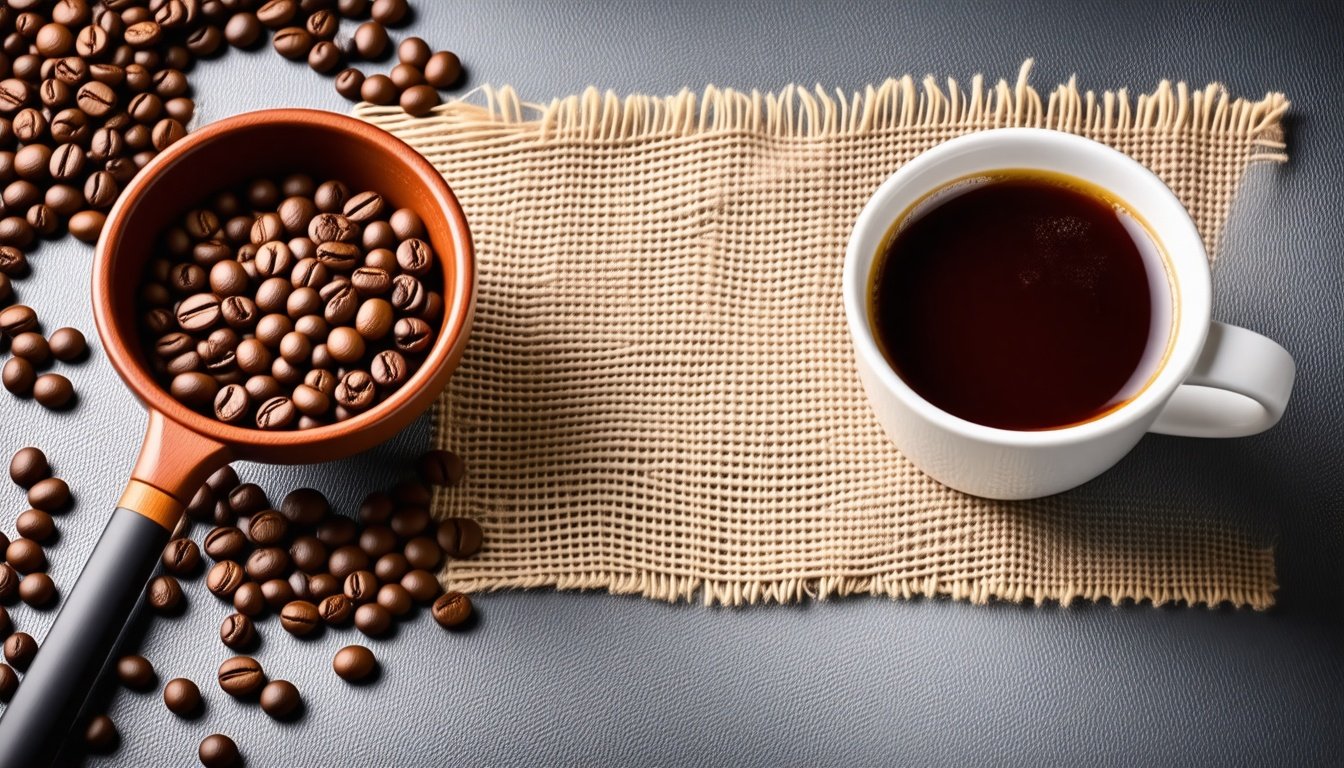
Have you ever stood in line at a café, watching someone expertly pull a shot of espresso, and thought, “Hey, I want to make coffee like that, right at home”? Same here. The idea of making that perfect cup in your own kitchen sounds dreamy. But wait—what about roasting your own coffee beans first? Yep, that is a thing, and guess what? It is not just for the coffee wizards or the super-gear owners. It can be for you, too.
Roasting and brewing specialty coffee at home takes patience, curiosity, and a bit of boldness to try something new. It is like cooking, but instead of chopping veggies or tossing a salad, you are chasing that perfect aroma and flavor locked inside raw green beans. It might seem a little wild at first. After all, green beans look nothing like the rich, brown beans sitting in your favorite café’s jar. So, let’s walk through how to start this fun journey together, without drowning you in complicated jargon or needing a tiny chemistry lab on your kitchen counter.
The Love Story Between Raw Beans and Fire
Coffee beans do not start out smelling like coffee. Nope. They are green, hard little nuts that hide their magic until heated. Roasting is the moment when the real coffee adventure begins. It is a change that happens quickly and smells like a cozy fire mixed with toasted nuts and maybe… a little bit of caramel. Every time you roast, you get to watch the beans change color, crack open, and release flavors. It is a bit like watching a shy kid get on stage and suddenly shine.
If you are wondering whether it is tricky, the answer is yes and no. Roasting at home is part science, part art, and mostly a good excuse to slow down and engage with something tactile. It is not about perfection, at least not right away. It is about learning what you like and discovering how those flavors talk to you.
Getting Started with Home Roasting
Okay, so you want to roast at home but do not have a fancy roaster sitting around? No worries. You can start small and simple:
- Popcorn Popper: Yes, that old appliance can double as a coffee roaster with a bit of trial and error. Look for one with good airflow and no oil.
- Stovetop Method: Use a heavy pan or skillet, ideally cast iron. Stir constantly and watch the color change. Microwave ovens or regular pans might not give you stable results, though.
- Dedicated Home Roaster: If you want to get serious later, machines like the Behmor or Fresh Roast offer more control and consistency.
Whatever method you choose, the key is to watch and listen. Roasting beans pop, crack, and emit scents at different stages. At “first crack,” the beans are puffing up, lighter and sweeter, generally a lighter roast. Keep pushing after that, and you reach “second crack,” where things get darker and bolder. Pushing too far turns your roast bitter, so keep your senses sharp.
Why Roast Your Own Coffee Anyway?
Good question! Why not just buy freshly roasted beans from a local roaster and call it a day? Sure, that works. But roasting yourself puts you in the driver’s seat. You control the flavor direction and freshness. Coffee starts to lose flavor minutes after roasting, so having fresh beans at home means you taste more of what mother nature and the farmer intended. Plus, it is an endlessly fun project and conversation starter. “No, I roasted these myself.” Try not to sound-too-cool-about-it when you say it.
Turning Roasted Beans into Liquid Gold
Roasting is half the story. Brewing, the way you pull coffee into your cup, tells the rest of the tale. Different brewing methods unlock different parts of the bean’s personality. Do you want something bright and clean? Dark and rich? Smooth and creamy? There is a method for that.
Meet the Brewing Team
- Pour-Over: This is like painting with water and coffee grounds. Slow, controlled pouring extracts flavors gently. It is hands-on but rewarding.
- French Press: Coarse grounds steep in hot water, then you press the plunger. Brings out fullness and oils from the coffee, making a body-rich cup.
- Aeropress: The little gadget that could. Fast, versatile, easy to clean, and great for experimenting with strength and flavor.
- Espresso Machine: The espresso is a shot under pressure. It is intense, quick, and the base for many coffee drinks. Home machines range from manual to super-automatic.
- Cold Brew: Coffee steeped in cold water for hours. Smooth, mellow, and perfect for hot days.
The choice might feel overwhelming at first, but it is also exciting. Your kitchen is your playground. Pick one method that sounds fun, and try it. Spoiler: none of these methods will fail you if you treat the beans and water with respect.
Brewing Basics to Keep You Grounded
Water is the secret hero of coffee. If your water tastes off, your coffee suffers. Use clean, filtered water if you can. Think temperature, too. Around 200 degrees Fahrenheit is the sweet spot for most brews—not boiling, but hot enough to unlock goodness.
Grind size dances in step with your brewing method. For example, coarse grind suits French press, while finer grind works better for espresso. A simple kitchen grinder can take you far, but a burr grinder will be your best friend if you want to get serious.
Ratio matters. Too much coffee makes a cup bitter, too little makes it weak. A rough starting point: 1 to 16 coffee-to-water ratio (one gram coffee per 16 grams water). Adjust from there based on what your taste buds tell you.
Small Fumbles, Big Flavors
Here is the truth: roasting and brewing are adventures. You will have off days when the coffee tastes burnt or underwhelming. That is part of the fun. It teaches you what to listen for next time. It is a living, breathing hobby where your hands, nose, and brain get involved.
When I started roasting, I once left a batch in the popper a minute too long. The smell was terrible, like burnt popcorn gone sour. But guess what? The next batch was better because I remembered how it felt to mess up. Every mistake brings a lesson, and every cup you pour after feels like a tiny victory.
Tips to Stay Sane and Enjoy the Ride
- Take Notes: Write down roast times, smells, and how the coffee tastes. It sounds nerdy, but it helps.
- Roast Small Batches: Less waste and easier to manage.
- Be Patient: Great coffee takes time. Don’t rush.
- Experiment: Try different beans, roast levels, and brewing methods. There is no wrong way.
- Share Your Coffee: Coffee tastes better when friends are involved.
Why This Journey Feels Worth It
There is something deeply satisfying about making coffee from scratch. It is the slow unfolding of flavors, the sounds of beans crackling, the steam rising from your cup. It is a moment carved out of busy days to appreciate something simple yet complex.
This is not just about caffeine. It is about connection—to the land where the beans grew, to the farmers who picked them, and to yourself. It is about reminding ourselves that sometimes, the best things in life involve a little effort, some curiosity, and a whole lot of love.
So, if you have been staring at that bag of green beans, wondering if you should try roasting them, or if you are tired of the same old brew, go for it. The coffee world is bigger and richer than you thought. And the best part? Your next cup might just be the best one yet.