
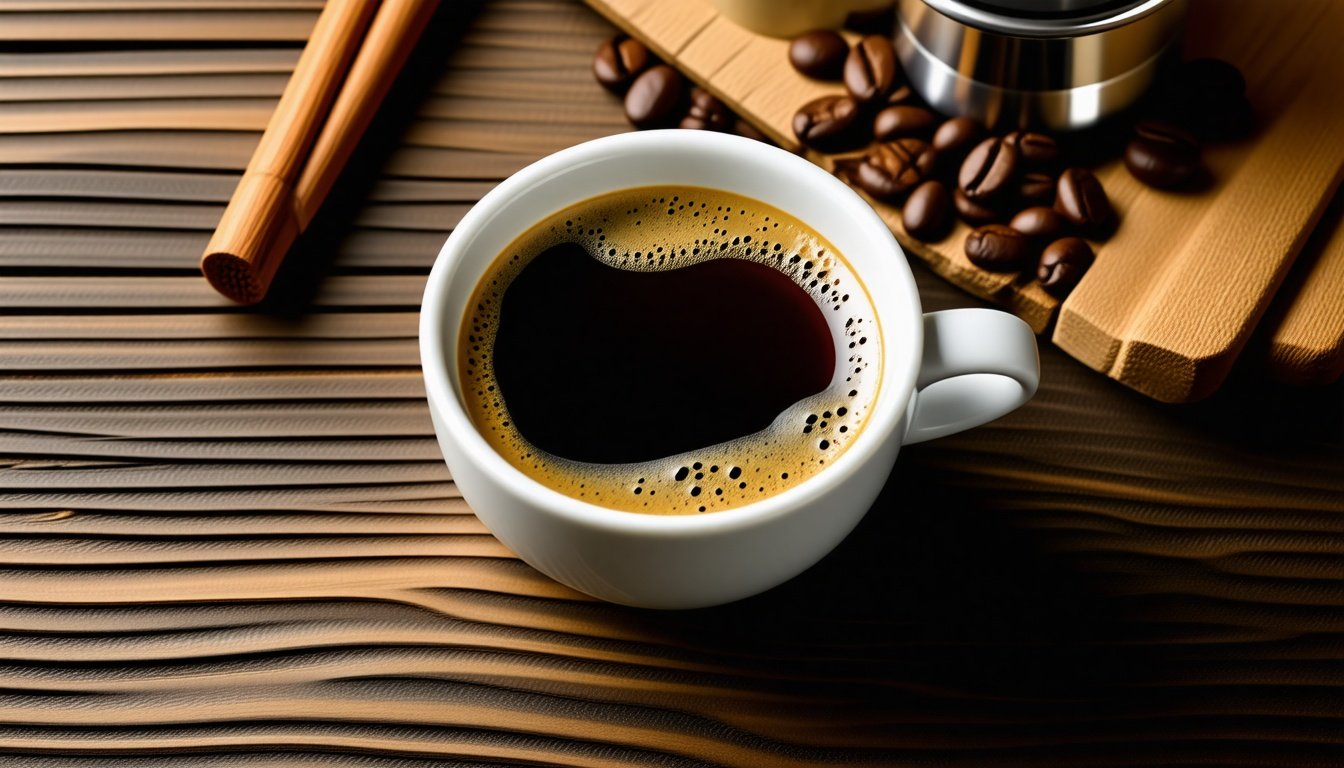
I wanted to try something wild: roasting my own coffee beans at home. Not just tossing some pre-ground powder into a machine like a mere mortal, but actually starting with green beans and coaxing those mysterious aromas out myself. The dream? To create roasts that could stand shoulder-to-shoulder with that legendary café down the street—the one that smells like heaven in a cup.
Ah, the thrill of that first crack, the smell of caramelizing sugars, the sight of beans darkening before your eyes. Sounds magical, right? Well, it kind of was. But it also got me tangled in smoke, mystery, and some downright weird-tasting coffee. So here I am, ready to spill the beans (pun totally intended) on what worked and what did not in my quest to recreate coffee shop magic in my own kitchen.
The Allure of Home Roasting
Before getting my hands dirty, I had one burning question: why bother? Why roast your own coffee when the supermarket shelf and endless online shops offer perfectly roasted beans? Simple. It is about control and connection. You get to witness the transformation firsthand and tweak flavors like a mad scientist. Plus, there is the joy of telling your friends, “I roasted this myself.” Fancy or what?
So, I grabbed some green coffee beans, downloaded a dozen tutorials, and cleared my kitchen counter for what I imagined would be glorious experiments filled with aromatic success.
My First Steps: The Bean Hunt and Gear Grab
I ordered green beans online, thinking that all green beans were created equal. Boy, was I wrong. Some beans were large and glossy, others looked tiny and dull. That was my first lesson—bean origin and quality hugely impact the end flavour. Like apples from different orchards, they vary wildly.
For equipment, I was cheap but hopeful: a simple popcorn popper, an air popcorn popper to be exact. It promised even heat and constant movement, which sounded perfect. Plus, it was affordable and easy to tuck away. Perfect for my beginner-self’s wallet and patience.
Trial 1: Popcorn Popper Mayhem
Pop the beans in, turn it on, and watch the magic unfold, right? Not exactly.
First, the popcorn popper started smoking like it was auditioning for a fire drill. I had to open every window in the house, and yet, the smell was… let us just say, more acrid than aromatic. The smoke was intense, and I worried the neighbors would call the fire brigade.
Despite that, I persisted. The beans started turning yellow, then brown, and then, at last, a faint popping sound. That popping, known in coffee circles as the “first crack,” felt like a tiny victory. It meant the beans were roasting. A few minutes after that, the smell shifted from burnt to sweet.
Here came Batch One: a light roast with some grassy flavors, almost like drinking a slightly toasted twig. Not the coffee shop sweetness I hoped for, but a start.
What Worked
- The popcorn popper kept beans moving, avoiding the dreaded burnt bottom layer.
- I could easily hear the first crack, which gave me a sign to stop or continue roasting.
- Roasting small batches meant less waste.
What Did Not
- Smoke was overwhelming and filled the house with a burnt smell.
- Temperature control was non-existent, making consistency a pipe dream.
- Beans came out uneven roasted because of hot spots in the popper.
Leveling Up: The Oven Experiment
Next, armed with a baking sheet and an impatient heart, I tried roasting in a regular oven set to about 475 degrees Fahrenheit. I spread out the beans, set the timer, and observed. This was a leap of faith, really, since my oven is more “warm hug” than “vascular furnace.”
What happened? The roast was uneven again, but for different reasons. The beans in the middle darkened too fast while those on the edges barely changed. Also, shaking the tray every few minutes was tricky and messy.
This batch gave me a darker roast, more like what you might get in coffee shops, but it lacked that delicious balance. Some beans tasted burnt, others as if they barely met heat.
What Worked
- Oven roasting reduced the smoke problem significantly.
- Easy to roast larger batches at once.
- Better color control with visual inspection through oven light.
What Did Not
- Heat distribution was uneven, causing inconsistent roasts.
- Shaking the tray was awkward and risky (hello, hot beans flying everywhere).
- Timing was tricky without temperature gauges specific to roasting.
The Sweet Spot: Using a Dedicated Coffee Roaster
After my popcorn popper and oven adventures, I bit the bullet and bought a small dedicated home coffee roaster. It had a built-in fan, timer, and temperature control. Yes, it was a bit of a splurge, but I wanted to get closer to the café roast I craved.
This machine did not disappoint. Beans roasted evenly, smoke was whisked away, and I could experiment with roast darkness without fearing a kitchen disaster. It was like having a tiny barista machine all to myself.
My taste buds noticed the difference immediately. The coffee brewed from these beans was brighter, cleaner, more balanced. The caramel, citrus, and chocolate notes I read about online finally showed up in my cup.
What Worked
- Precise temperature control made roasting consistent.
- Built-in airflow reduced smoke and chaff mess.
- Timer and settings helped repeat successful roasts.
- Fresh beans brought out complex flavors not possible with pre-roasted beans.
What Did Not
- Initial cost was higher than other methods.
- Learning curve to understand timing and roasting stages.
- Small batches meant more frequent roasting sessions.
Brewing: Getting the Roast to Dance in the Cup
Even the best roast means nothing if brewing is off. I tried everything from French press to drip machines to a humble AeroPress. AeroPress surprised me most—simple, quick, and it extracts flavors beautifully.
One thing I learned: roast level matters. Light roasts shine in pour-overs and AeroPress. Dark roasts can stand up to a sturdy espresso machine or French press. Matching roast to brew style makes all the difference.
Brewing Tips That Made a Difference
- Grind fresh, right before brewing.
- Adjust grind size to brew method: coarse for French press, medium for drip, fine for AeroPress/espresso.
- Use filtered water, heated but not boiling (195–205°F is the sweet spot).
- Experiment with coffee-to-water ratios. More beans, stronger coffee.
What I Wished I Knew Before Roasting
- Roasting coffee produces smoke. Ventilate well, or roast outside if you can.
- Patience is key. The learning curve can be steep, but it is fun.
- Take notes on each roast—bean type, time, temperature, taste. Patterns emerge.
- Fresh roasted coffee tastes different, so give your palate time to adjust.
- Be kind to your nose and lungs. Smoke can irritate. Frequent breaks help.
The Joy and Frustration Mixed Together
Roasting coffee at home is not just about the drink, though that is the tasty payoff. It is about the whole process—the smells, sights, sounds, and that little spark of joy when you listen for the first crack or inspect perfectly roasted beans.
Yet, it is frustrating too. Smoke alarms, burnt batches, inconsistent roasts, and the occasional curse word. But I would not trade those moments for pre-roasted convenience. They felt like practice pieces in a game I want to master.
So, if you have the itch to roast at home, dive into the madness. Try different methods, embrace failures, and celebrate little victories. And remember: not every cup will taste perfect, but every cup will taste meaningful, because you made it.
In the end, coffee is about connection—whether with friends or moments of quiet—made richer by the story behind the cup.