
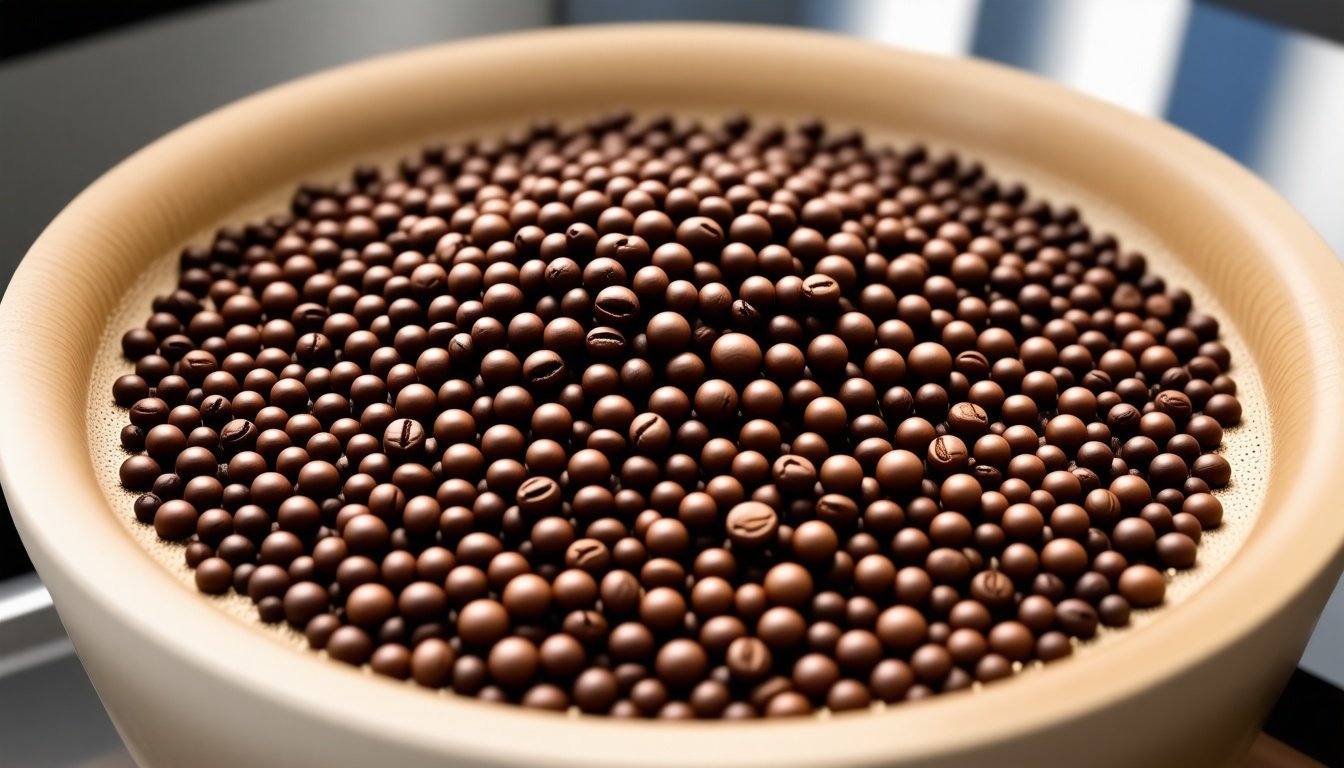
There is something quietly magical about waking up on a Saturday morning and knowing that instead of just pouring your usual cup of coffee, you get to make the whole thing from scratch. Not just brewing some pre-ground beans but actually roasting raw coffee green beans at home. It sounds a little nuts when you say it out loud—like, “Hey, wanna hang out while I roast some coffee beans?” But trust me, once you start, the whole world of coffee changes in a way that feels big and small at the same time. It is a hobby that sneaks up on you, filling your weekend with warmth, curiosity, and yes, a little bit of delicious chaos.
Why Roast Coffee at Home?
Imagine walking into your kitchen filled with the smell of just-roasted coffee beans, warm and nutty, with hints of caramel and chocolate. There is no better scent for a weekend afternoon, really. But beyond the smell, roasting coffee at home is a way to take control of something we all care about deeply: how our coffee tastes and feels in the mouth. It is the kind of thing that feels like a small rebellion against the fast, pre-packaged culture of today’s coffee. Instead of being just a consumer, you become a creator.
Sure, there is plenty of great coffee out there. But home roasting means you can tweak things endlessly: roast lighter for fruity, bright flavors or go dark and heavy for those smoky, rich tastes that hug you from the inside. You get to experiment and find your perfect cup in a way that store-bought bags just can not deliver.
The Surprise Joys You Won’t Expect
Okay, this might sound a little dramatic, but roasting coffee at home can be a surprisingly emotional experience. Not because it is hard or fancy—actually, it is pretty simple once you get the hang of it—but because it connects you to this amazing chain of things. The farmers, the land, the science of roasting, and most importantly, your own sense of taste.
The Meditation You Never Knew You Needed
There is something rhythmical about roasting coffee. Watching the beans turn from green to yellow, then to light brown, and finally to that perfect, dark shade takes time. It is not instant gratification, which in today’s world is rare. You stand there, stirring or tossing the beans, breathing in the changes, and suddenly all the small worries of life fade. It is like a quiet meditation, except your hands are busy and your nose is having a party.
Feeling Connected to a Bigger Story
Every coffee bean has a history—a story of a small farm halfway across the world, of hard-working people who carefully nurtured those little beans before sending them your way. Roasting those beans yourself makes you part of that story. It is funny how holding raw beans in your hands makes you appreciate that journey more than when you just pick up a bag from the grocery store. It is like knowing the story behind a painting; suddenly, you see every brushstroke differently.
Getting Started without the Fancy Gear
If roasting coffee sounds like it needs a million-dollar setup, relax. You do not need to buy a huge machine that looks like it belongs in a chemistry lab. Many beginners start with something as simple as a popcorn popper or a stovetop pan. The key is to pay attention, listen to the beans, and practice.
Popcorn Popper Method
Yes, that same device that makes movie nights awesome can become your coffee roaster. Using an air popcorn popper is a popular method because it is cheap, fast, and fairly easy.
- Start by picking a light, try to get fresh green beans from a reputable source.
- Put about half a cup into the popper. Stay close and listen for the cracks in the beans (more on that in a moment).
- It takes around 5 to 7 minutes, sometimes a little longer depending on your device.
- Once the beans reach your desired shade, pour them out and cool them fast—spread out on a cookie sheet or colander.
It feels a little like magic when you hear that first pop or crack inside the popper. It means the beans are roasting, changing, transforming right in front of you.
Stovetop Roasting
Have a heavy pan and a stirring spoon? Perfect. You can roast coffee on the stove. It takes some muscle and attention but offers more control over the roast. The key is to keep the beans moving to avoid burning.
- Use a thick-bottomed pan for even heating.
- Add a small batch of beans (about half a cup).
- Keep stirring constantly to roast evenly.
- Look for color changes and listen for the “first crack,” a snapping sound like popcorn popping.
- Cool the beans quickly once you get the color you want.
The Sounds and Smells That Tell You You Are Doing It Right
Coffee roasting is more than just colors—it is about those little cues you can feel with your ears and nose. The first crack is the big sign that the beans are roasting properly. It sounds like popcorn popping. You might hear a second crack too, which is sharper and indicates the roast is getting darker.
The smell also changes dramatically. Early on, the beans smell grassy and green. Then they start smelling sweet, like toasted bread or caramel. Finally, you get that rich, dark chocolate and smoky scent. This sensory connection keeps the process alive and exciting.
What to Do with Your Freshly Roasted Beans
Once you have roasted your beans, you cannot just grind and brew immediately. Freshly roasted beans need a little time to “degass”—release carbon dioxide gas produced during roasting. Usually, this takes about 4 to 12 hours. Some people wait a whole day or two for the best flavor.
After that, grind them like you would normally. Because you control the roast level, you can play with brewing methods like pour-over, French press, or espresso. Each style will bring out different taste notes from your beans. And you will know exactly what went into making that perfect cup.
The Unexpected Perks Beyond Coffee
Community and Sharing
Roasting coffee at home often leads to making new friends who share this quirky hobby. From online forums to local coffee clubs, you will find people who love to talk beans, roasting techniques, and flavor profiles. Suddenly, your weekend ritual becomes a thread in a larger tapestry of coffee lovers. And nothing beats swapping freshly roasted beans or recipes with someone who gets why you are so excited about this.
Patience and Presence in a Noisy World
Living in a world that constantly pushes speed and multitasking, roasting coffee quietly teaches patience. You cannot rush the beans. You cannot ignore the process. You need to be present. This simple act is a reminder that good things take time—and that sometimes, the waiting itself is part of the reward.
Pride in Your Craft
There is real satisfaction in looking at a jar full of your home-roasted beans and knowing you made them. No machines, no factories, no long supply chains. Just you, a simple setup, and curious hands. Every cup you pour after that carries a little piece of your weekend, your effort, and your joy.
Final Thoughts Before You Grab Those Green Beans
So, yes, roasting coffee at home is a little bit messy. It can take some trial and error. You might burn some batches or feel overwhelmed at first. But that is part of what makes it fun. This hobby invites you to slow down, to be curious, and most importantly, to enjoy the small, surprising pleasures that come with making your own coffee magic.
If you want a weekend project that fills your senses, connects you to a global story, and rewards you with some of the best cups you have ever tasted, grab some green beans and start roasting. The joy might come unexpectedly, but when it does, it is pure gold.