
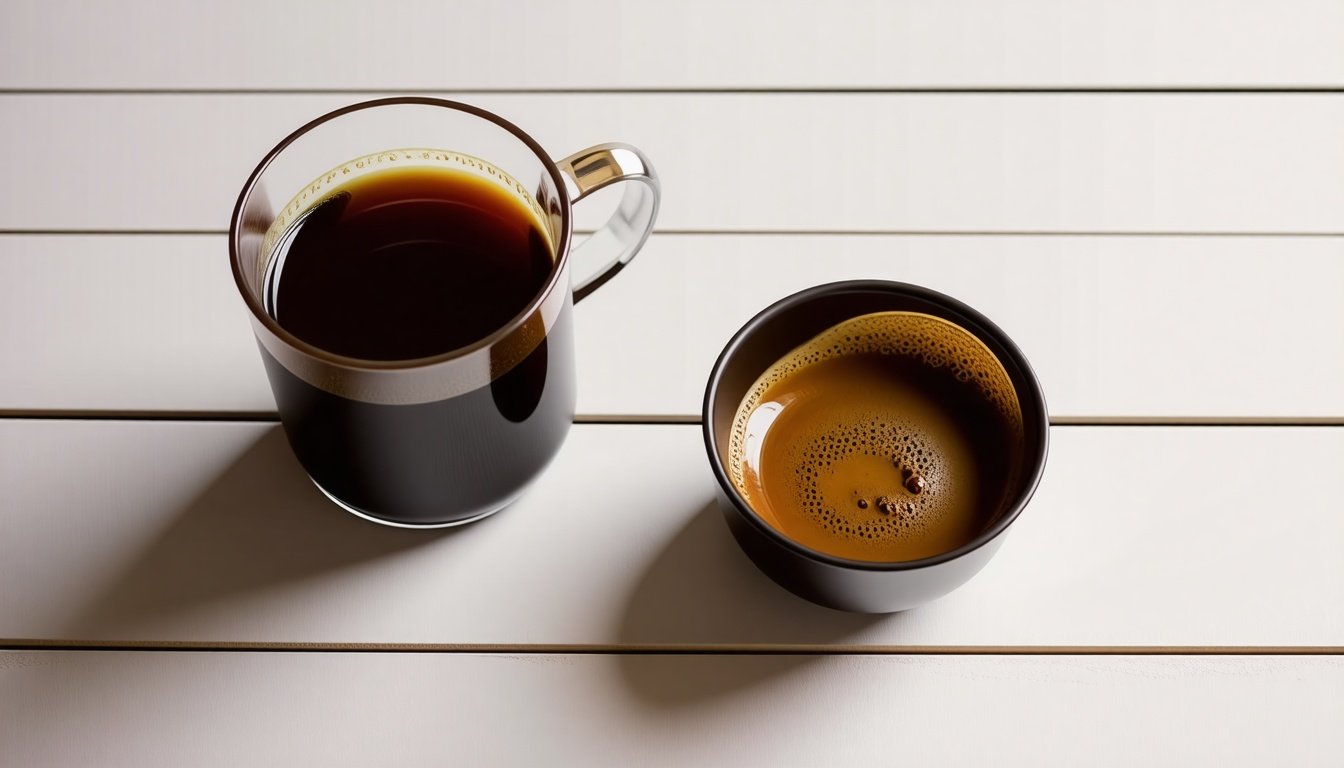
I never thought I would care this much about coffee beans. Sure, I liked coffee before—who does not? But the idea of roasting my own beans at home and then using them to brew cold brew felt like some next-level commitment. As someone who once struggled to even keep a cactus alive, suddenly meddling with green coffee beans sounded both weird and exciting.
And here we are. Weeks later, sitting with a tall glass of rich, smooth cold brew, made from beans I lovingly roasted myself. It feels like magic. Not the kind with wands, but the kind that makes you appreciate every little step—every smell, sound, and taste—from raw beans to that first cool sip.
The Beginning: Why Roast Coffee at Home?
Let’s be honest for a second. You can buy plenty of amazing coffee, already roasted and ready to go. So why mess around roasting your own? Well, for starters, roasting coffee at home is like growing flowers from seeds instead of buying a bouquet. Sure, both look nice, but one brings a sense of pride and a story you can tell over and over.
Also, roasting coffee fresh at home means you are the boss of flavor. You decide how light or dark your beans go, whether they taste fruity or nutty, or just smoky and bold. It feels personal, like tuning a guitar until the sound feels just right. Nobody else can make it exactly your way.
But before you imagine a complicated science lab, here is the truth: I started roasting using a simple popcorn popper, yes, a popcorn popper. It did get smoky, and yes, I definitely annoyed my family a bit, but it worked.
First Lessons From “Popper Roasting”
- Patience is the real game here. If you rush, you risk burning. I flamed beans more times than I want to count. But each charred batch taught me what not to do.
- Watch, Listen, Smell. Roasting is full of tiny clues—a crack here, a smell there, the color changing right before your eyes. I started noticing when beans popped, that was the “first crack,” and it meant something important was happening.
- Ventilation is your best friend. Smoke will fill the kitchen. Open the window, turn on the fan, or better yet, roast outside if you can.
All in all, home roasting turned out to be this weirdly fun hobby for me. It is part science, part art, and a huge dose of patience.
Cold Brew: The Chill Companion to Roasted Beans
Cold brew and home-roasted coffee? It feels like peanut butter and jelly—two great things that only get better together. Cold brew coffee is basically coffee steeped in cold water over many hours. It is smooth, mellow, and less bitter than your usual hot brew. And when you add home-roasted beans into the equation, oh boy, the flavors pop in ways I had never imagined.
Making cold brew is simple, but the wait is long. Prepare to be patient—usually around 12 to 24 hours in the fridge—while magical infusions happen. Suddenly, the very beans I was nervously roasting gave me the most refreshing, subtle, and delicious coffee experience I had ever tasted.
How I Made My First Cold Brew With Home-Roasted Coffee
- Start with coarsely ground fresh beans. I ground my roasted beans just before brewing to keep as many aromas as possible.
- Use a simple ratio. I began with one cup of coffee grounds to four cups of cold water. Easy math, lots of coffee.
- Mix and cover. I put the grounds in a jar, poured in cold water, stirred gently, and put it in the fridge.
- Wait it out. I left it in the fridge for around 18 hours. Yes, waiting is hard.
- Filter carefully. I used a fine mesh strainer lined with a coffee filter. This part needs some patience because drips can be slow.
- Enjoy! I poured my first glass over ice and was overwhelmed by how smooth and flavorful it was.
That’s it. Pretty simple. But the taste? That was the real kicker.
The Flavor Rollercoaster: What I Learned About Tasting
Cold brew made from home-roasted beans is not just coffee. It is an experience. To me, it felt like drinking coffee through a velvet curtain rather than a brick wall. The sharp edges of bitterness softened, and instead, bright notes emerged—sometimes chocolatey, sometimes fruity, other times nutty. All depending on how I roasted the beans.
One batch, roasted lighter, had this bright, almost grape-like flavor. It surprised me every morning, waking me up without the usual bitterness. Another batch, roasted darker, gave me that caramel, smoky vibe I love on a chilly night, but still cold and refreshing in the glass.
It taught me that roasting is not just about how dark the beans get, but more about timing every moment and listening to what the beans want to become. And cold brew lets those flavors shine in a different way.
Some Flavor Tips From My Experiments
- Light roast + cold brew = bright, fruity flavors with crisp acidity. If you like your coffee fresh and lively, this is it.
- Medium roast brings balance. Sweetness, mild bitterness, and complexity come through. Think caramel and nuts.
- Dark roast can get smoky and bold. Perfect if you like your coffee with a punch, but still smooth with cold brew method.
- Freshness matters. Beans you roasted a day or two ago are best. Coffee loves to breathe, but not too much before brewing.
Challenges That Made Me Laugh (Sometimes Cry)
Not everything was smooth sailing. My journey with cold brew from home-roasted beans had its fair share of funny and frustrating moments.
Once, I roasted a batch for too long. I thought “this dark roast will make a killer cold brew.” Turns out, it tasted like burnt tires. I let it stew in cold water for 18 hours, wondering why my cold brew resembled liquid charcoal. Lesson learned: just because you can, does not mean you should.
Grinding was another adventure. I tried using a blender to grind beans, but it was uneven, leaving silverskin bits floating in the mix. Filtering took forever and tasted off. Investing in a burr grinder made the next batches so much better and filtering a breeze.
And the waiting. Oh my, the waiting! I am not the most patient person, and those 12-24 hours felt like forever. Once, I got so desperate I tried to hurry the process by leaving the mix out on the counter. Rookie move—it spoiled. So, cold brew needs time and cold space to do its magic.
Some Simple Tricks I Picked Up Along the Way
- Roast in small batches. It is easier to control and will keep your beans fresh for cold brew.
- Invest in a decent grinder. Even a simple manual burr grinder will make a huge difference.
- Keep notes. Write down roasting times, flavors, and cold brew ratios. You will thank yourself.
- Use clean, cold water. Your cold brew is mostly water, so give it the best you can.
- Filter carefully but patiently. Rushing will make your cold brew murky and gritty.
Why I Keep Coming Back to This Strange Hobby
At the end of the day, roasting coffee at home and making cold brew feels personal. It is a little ritual that stands out in my daily routine. There is joy in watching raw little green beans turn dark and fragrant under your watch, then patiently waiting for cold water to coax out flavors hiding in those beans.
It teaches patience, care, and attention to detail. And when your friends ask what is so special about your cold brew, you smile and say, “I grew it myself. Well, sort of.” It feels like sharing a secret, a connection to a process older than all of us.
Would I recommend everyone roast their own coffee just to make cold brew? Maybe not. It does take some work. But if you like tinkering, love coffee, and enjoy little victories in your kitchen, it might just be the most fun, delicious project you never knew you needed.
So, next time you sip your chilled coffee, imagine the journey those beans took—perhaps from a green bean hand-roasted in a popcorn popper, transformed into a glass of chilled smoothness. And who knows? You might be inspired to take a stab at roasting yourself. Just keep a window open and a smile ready.