
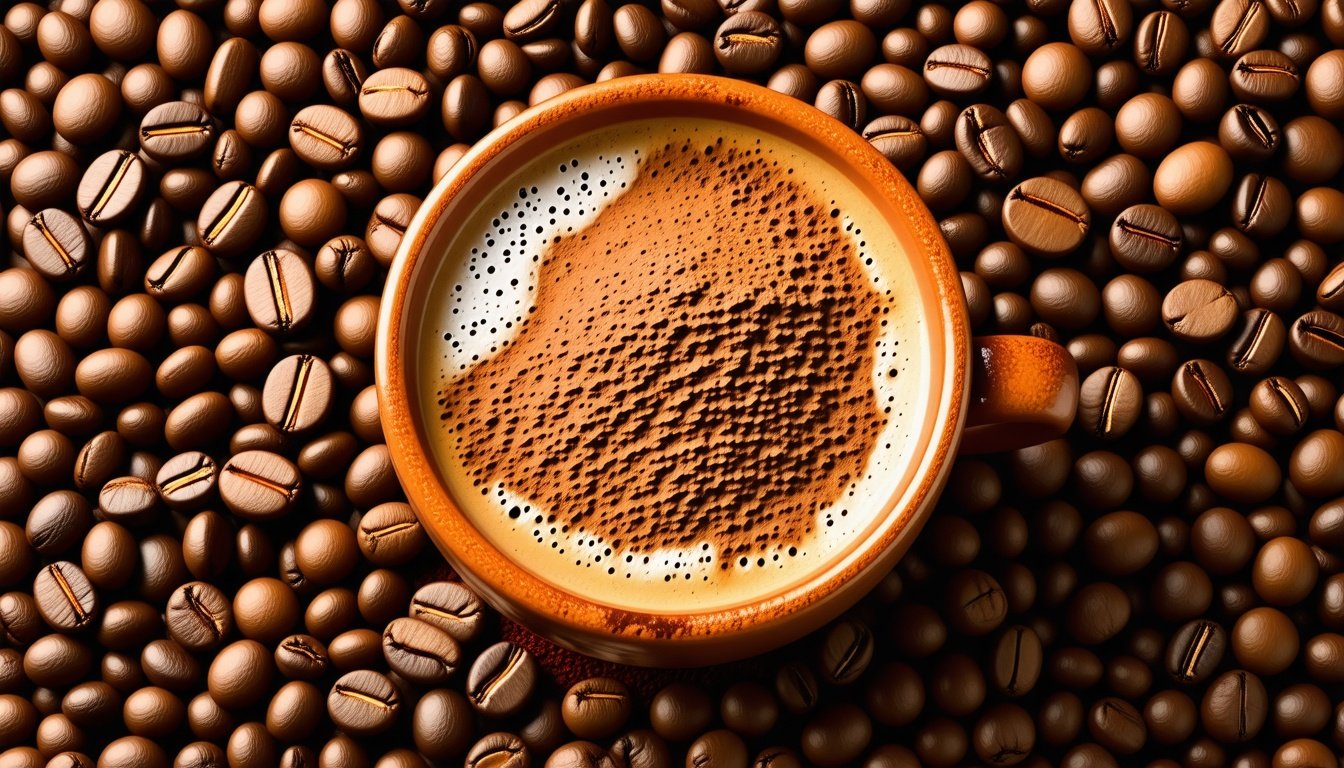
There is something magical about the smell of freshly roasted coffee beans. It wakes you up, teases your senses, and pulls you out of sleepy haze like a gentle but firm hand. But here is the thing — I do not trust pre-ground coffee at all. Not when I roast my own beans at home anyway. I mean, why would I buy coffee already ground when I spend time coaxing little flavors out of each roast? It feels like a betrayal, honestly. Like buying a cake mix after you just baked a fresh cake yourself.
Let me start by saying: I get it. Pre-ground coffee is everywhere. It is easy. It saves time. You can grab a bag, scoop it into your filter, and you are good to go. No mess, no fuss. But if you are serious about home coffee roasting and brewing — and if you care even a little about taste and freshness — pre-ground coffee is a shortcut that cuts way too many corners.
Freshness is Everything
Alright, honesty time. Coffee starts to lose its charm the moment you grind the beans. Think about it. When coffee beans crack open, their huge surface area meets air, and every little flavor decides to escape in a wild race. Aroma molecules run off into the air like kids at recess. Oxygen, light, and moisture gang up and steal freshness faster than you can blink.
Does that mean ground coffee goes bad instantly? No, but it happens fast enough that you can taste it. You do not need to be a barista to tell that something is off. Exactly fresh coffee is bright, vibrant, alive. Pre-ground coffee often tastes dull, flat, lifeless. Sometimes bitter, sometimes just… meh.
Roasting at Home Changes the Game
When I roast at home, I am in full control. I pick my beans, roast them to the exact point I want, and THEN grind them immediately before brewing. I know the coffee’s story from bean to cup. I see it. I smell it. I live it. Why buy pre-ground coffee and throw all that away?
Grinding right before brewing preserves every little nuance the roast offers. If I want fruity brightness or chocolaty depth, it stays there in the cup. Pre-ground coffee sits on the shelf, often for weeks or months, losing what I worked so hard to create.
Convenience vs. Quality — The Old Tug of War
Look, I am not judging anyone who buys pre-ground coffee. Sometimes convenience wins. Life gets crazy. You want coffee fast and easy. That is okay. But here is the truth: when you buy pre-ground coffee, you accept fewer flavors and more compromises.
Imagine baking a fresh loaf of bread at home. Then imagine buying a struggling, stale loaf from some distant bakery and wondering why it does not taste quite right. Your taste buds might forgive you once or twice. But over time? You deserve better.
Grinding Makes You Part of the Process
Grinding beans fresh is a little ritual I have come to cherish. When the grinder hums, smelling like toasted nuts and honey, I feel more connected to the coffee. It is a moment of calm and anticipation. Like holding a secret about to be revealed in my mug.
Pre-ground coffee removes that moment. It is a wall between you and the magic. No smell. No sound. Just powder sitting quietly, pretending to be coffee.
Does Pre-Ground Coffee Ever Make Sense?
Okay, I said all that, but I also admit there are times where pre-ground coffee might work — like for camping trips or when you are stranded without a grinder or whole beans. Maybe if you have zero patience for grinding in the morning chaos. Fine.
But if you roast your own beans at home, why toss pre-ground coffee into the mix? It adds no value. It only dilutes the experience. And if you love the craft of roasting, it feels like cheating.
The Flavor is the Prize
Home roasting is all about chasing flavors — caramel, citrus, berry, chocolate, floral notes. Each coffee is a new adventure. Pre-ground coffee tends to turn those adventures into dull strolls where the flavors have already faded before you take a sip.
Grinding freshly roasted beans gives you the clarity, the punch, the joy of coffee’s full expression. Skipping that step is like listening to your favorite song through a tin can.
Breaking Down What Happens After Grinding
Let me nerd out for a second about what happens after coffee is ground — because this little science story helps explain why pre-ground coffee falls flat.
- Oxygen attack: Ground coffee exposes way more surface area to air. Those fragrant oils start oxidizing. Oxidation means the coffee breaks down, turning bitter and stale.
- Flavor loss: The tiny flavor compounds evaporate quickly. They escape before you even put water on them.
- Moisture invasion: Ground coffee absorbs moisture faster than whole beans. Moisture messes with extraction and can create sour or off flavors.
- Light exposure: Some compounds in coffee are sensitive to light. If your pre-ground coffee sits in a clear bag under the kitchen lights, it loses its sparkle fast.
Whole beans keep all those nasties at bay a little longer. Roasted beans are like treasure chests holding flavor — you want to keep that chest locked tight until you are ready to open it by grinding.
How to Get Fresh Ground Coffee Without Losing Your Mind
If you roast at home, you probably already know you need a good grinder. But I want to highlight how simple it can be to incorporate grinding fresh without turning it into a headache.
- Start small: Even a cheap burr grinder is better than nothing. Burr grinders crush beans between two surfaces for a consistent grind size.
- Grind only what you need: It sounds obvious, but sometimes we overestimate how much coffee we drink daily. Grinding fresh for one or two cups is quick and rewarding.
- Make it part of your routine: Grinding can be a zen-like moment. Put on music, take your time, enjoy the aroma.
- Store beans properly: Keep your roasted beans in an airtight container, away from light and heat. Then grind just before brewing to maintain flavor.
Sometimes Pre-Ground Is a Trap
I want to share a quick story. A friend once asked me to try his pre-ground coffee. It was fancy-sounding, imported stuff — but it tasted flat. I asked how old it was. Turns out it was roasted months ago and ground weeks later. That explained the sad flavor.
He said, “But it says it is premium! Should not it taste better?” I told him about freshness and grinding. That was the moment he started roasting and grinding his own beans. His coffee improved so much that he never looked back.
Trust Your Taste Buds
At the end of the day, your palate knows what it wants. If coffee tastes like cardboard or feels dull, blame the pre-ground coffee. Do not blame your equipment, your technique, or your luck.
Fresh beans ground fresh. That is the ticket to good coffee at home. Every time.
If You Roast Your Own, Skip the Pre-Ground
Roasting coffee is a little act of love. You watch the beans turn from green to golden brown to dark and oily. You are right there when they crack and pop, releasing those incredible smells. You are crafting a unique flavor story you want to tell.
Why would you then ignore that story by buying pre-ground coffee? It is like writing a novel and deciding to buy a mass-market paperback with half the pages missing.
The moment you grind is when coffee truly transforms into your cup. Do it fresh. Do it proud. Do it with a sense of ceremony and connection.
Final Thoughts
Pre-ground coffee is convenient, no doubt. It is fine for emergencies or when you cannot fuss over your cup. But if you are roasting at home, it feels like throwing away the best parts of your hard work. The freshness, the aroma, the flavor layers — all fade before you even brew.
Grinding freshly roasted beans before brewing is simple. It does not take long. It unlocks everything coffee is supposed to be. From bitterness to brightness, from floral notes to rich cocoa, that grind reveals what makes coffee more than just a drink.
So next time you reach out for a pre-ground bag, stop. Think about the journey your coffee took before it reached you. Then grab your grinder and whole beans instead. Your taste buds will thank you.