
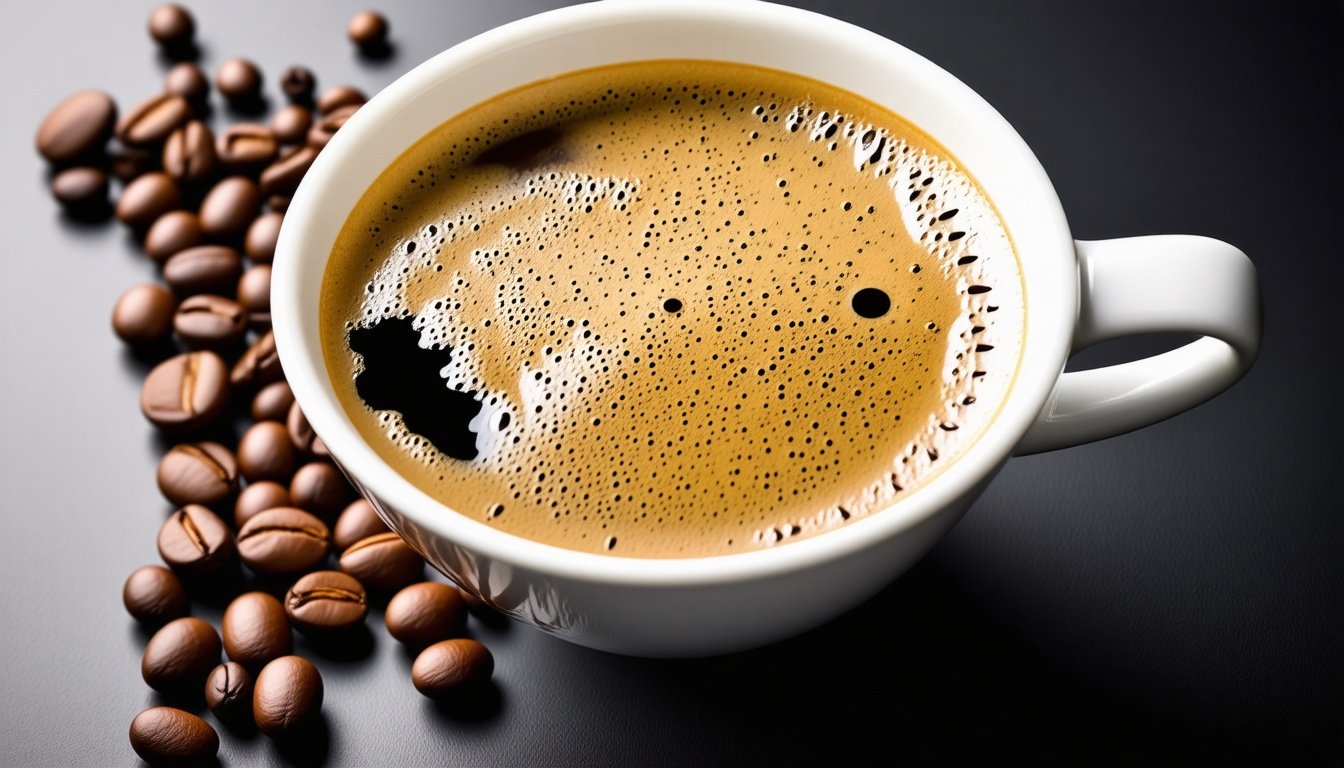
There is something magical about the moment you grind freshly roasted coffee beans, that warm, earthy aroma bursting through your kitchen like a happy little secret. Maybe you roasted those beans yourself, lovingly coaxing the raw green seeds into a chestnut hue just right for your taste buds. Or perhaps you found some freshly roasted gems from a local roaster, still vibrating with life. Either way, when you brew coffee from fresh beans, time suddenly becomes a character in your morning ritual rather than just a background beat.
I mean, we all know timing matters, right? Whether it is the perfect brew, the right steep, or the ideal extraction, it shapes the whole experience. But when it comes to freshly roasted beans, brew time takes on a whole new weight. Why? Because those beans are not just beans anymore — they are alive, restless, changing with every passing minute. And if you do not pay attention, that coffee you eagerly wait for might just turn into a bitter regret or a bland whisper.
The Fresh Roasted Bean: A Living Thing
Here is the deal — freshly roasted beans are wild creatures. They are off-gassing carbon dioxide like mad, releasing funky gases that influence how the water interacts with coffee grounds. This is something not usually noticed with supermarket bags that have been sitting on shelves for weeks or months. Fresh beans are full of life, and that changes the way you must approach your brew time.
Think about it: when you roast beans at home, you are inviting every part of coffee’s complexity to the party. The oils are fresh, the volatile compounds are vivid, and every moment feels like a fleeting snapshot. The gas released after roasting is a double-edged sword. Too little does not help the coffee bloom properly; too much can create an explosion of bitter flavors if you rush through brewing.
Patience Is Your New Best Friend
If you just roasted your beans and want to dive right in, hold on a second. I get it. The smell is intoxicating, and it feels like sacrilege to wait. But give the beans a rest — at least 12 to 24 hours. This wait lets the gases mellow, helping your brew develop fullness without blowing up in your cup with sharp or sour notes. It is like giving your coffee a little nap after a wild night out.
And here’s the kicker: this rest period is not fixed in stone. Some beans might feel ready earlier, some crave more time. The trick is to taste often and listen to your cup. Like a conversation with an old friend, your brew time and the state of your beans will tell you what they need.
How Brew Time Affects Flavor with Fresh Beans
Let us break down the relationship between brew time and flavor using fresh beans. The water in your brewing method extracts compounds from coffee, but it does not pull everything out equally. Shorter brew times tend to pull the bright, acidic parts of coffee first — you know, the zingy lemon, the sparkling fruit notes. Longer brew times drag out more bitterness and body.
- Too short: The coffee can taste underdeveloped, thin, almost like it is trying to hide behind a faint flavor fog.
- Too long: Over-extraction floods your cup with bitter, burnt, or astringent notes that ruin the party.
With freshly roasted beans, this dance becomes delicate. Because these beans are fuller of gases and oils, they can release intense flavors faster, and if you leave them with hot water too long, you might catch a harsh edge you did not sign up for. So, the balance is thin, tightrope walking at its finest.
Grinding Size and Brew Time: Partners in Crime
Grinding and brew time go hand in hand, like peanut butter and jelly or your favorite duo that just clicks. If you grind your beans coarse, water moves quickly around and through the grounds — meaning brew time needs to be longer so the water has time to pull the coffee’s good stuff out. If the grind is fine, water spends more time in contact with the coffee’s surface, so the brew time is usually shorter.
With fresh beans, the grind size becomes even more important. Since fresh beans tend to swell and release gases, controlling grind size helps regulate how fast your extraction happens. A fine grind and a brew time that is too long equals bitter disaster. A coarse grind and a too-short brew time means watery sadness.
Brew Methods and Their Timing with Fresh Beans
Not all coffee makers treat fresh beans equally. Some brewing methods are better suited to embrace the lively nature of freshly roasted coffee. Let us chat about a few favorites.
Pour Over
Ah, the slow pour and steady stream that make coffee feel almost like a meditation. Pour over is a dream for fresh beans because you can control water flow and time precisely. Typically, pour over brew times land around two to three minutes, depending on grind size and bean roast level.
With fresh beans, do not rush. Let the coffee bloom first—pour just enough water to wet the grounds and wait about 30-45 seconds. That bloom is the coffee exhaling, showing off how fresh it is. Then, continue pouring slowly and steadily, maintaining a total brew time that extracts the balance between brightness and body just right.
French Press
French press is a thicker, richer method. Since coffee grounds steep in water for a longer time—usually four to five minutes—you need to be careful with fresh beans. The longer extraction can easily bring out bitterness if the beans are too fresh or oily.
One trick is to adjust brew time a bit shorter or grind slightly coarser to manage extraction. That way, you keep the richness without the harsh punch.
Aeropress
If you want something fast but still tuned-in, Aeropress is your friend. It allows you to play with pressure, brew time, and grind size. For fresh beans, a shorter brew time usually works better—think around one to two minutes total. This method squeezes out bright and clean flavors without drowning them in bitterness.
Reading Your Coffee Like a Book
Every cup you make is a story. It tells you how the beans feel today, how eager they are to talk. Brew time is your pen, writing that story one second at a time. If your cup tastes too sour, your brew time might be too short or the grind too coarse. Too bitter? Then slow down or coarsen the grind. Flat or dull? Maybe you need to speed up your brew or use a finer grind.
The magic is you get to tweak and taste and tweak again, discovering what your beans prefer. It is a little game that pays off in smiles and sips.
Try This for a Quick Home Experiment
- Roast or buy some fresh beans.
- Start brewing with a standard brew time for your method.
- Taste and take notes: Is it too sour? Too bitter? Just right?
- Adjust brew time in 10-second increments (shorter or longer) on your next cup.
- Note the changes, repeat until you find that magical moment where your coffee feels alive, balanced, and just right.
Fresh Beans Change Hour by Hour, So Brew Time Changes Too
Beans are in constant flux after roasting. Day one and day three are different beasts, flavor-wise. Coffee is like a theatrical actor who reveals new facets and emotions every time it performs. One day, a longer brew time might coax out beautiful sweetness; the next day, it might taste heavy and bitter.
This means that your brew time is never set in stone. It is a living, breathing variable that grows alongside your beans. The more you pay attention, the more you connect with your coffee and the beans that made it.
Trust Your Senses, Not Just the Clock
Here is what I want you to remember: measurement is helpful, but your senses are better. Smell the beans, watch the bloom, taste the coffee. Your tongue and nose will tell you more than any timer could. Brew time is a guideline, not a jail cell.
Listen to your coffee, it is trying to tell you its story. Brew time is just the rhythm you set for that story to unfold.
Final Thought
Freshly roasted coffee beans bring an adventure to your coffee routine. Their energies, their volatile secrets, and their living essence make brew time an exciting puzzle rather than a boring chore. The way you manage your brew time with fresh beans can transform a simple cup into a rich, layered experience that feels deeply human and personal.
So, next time you breathe in that fresh roast, remember — take a little time, play with your brew, and enjoy the dance between liquid and bean. It is more than coffee; it is your story, one cup at a time.