
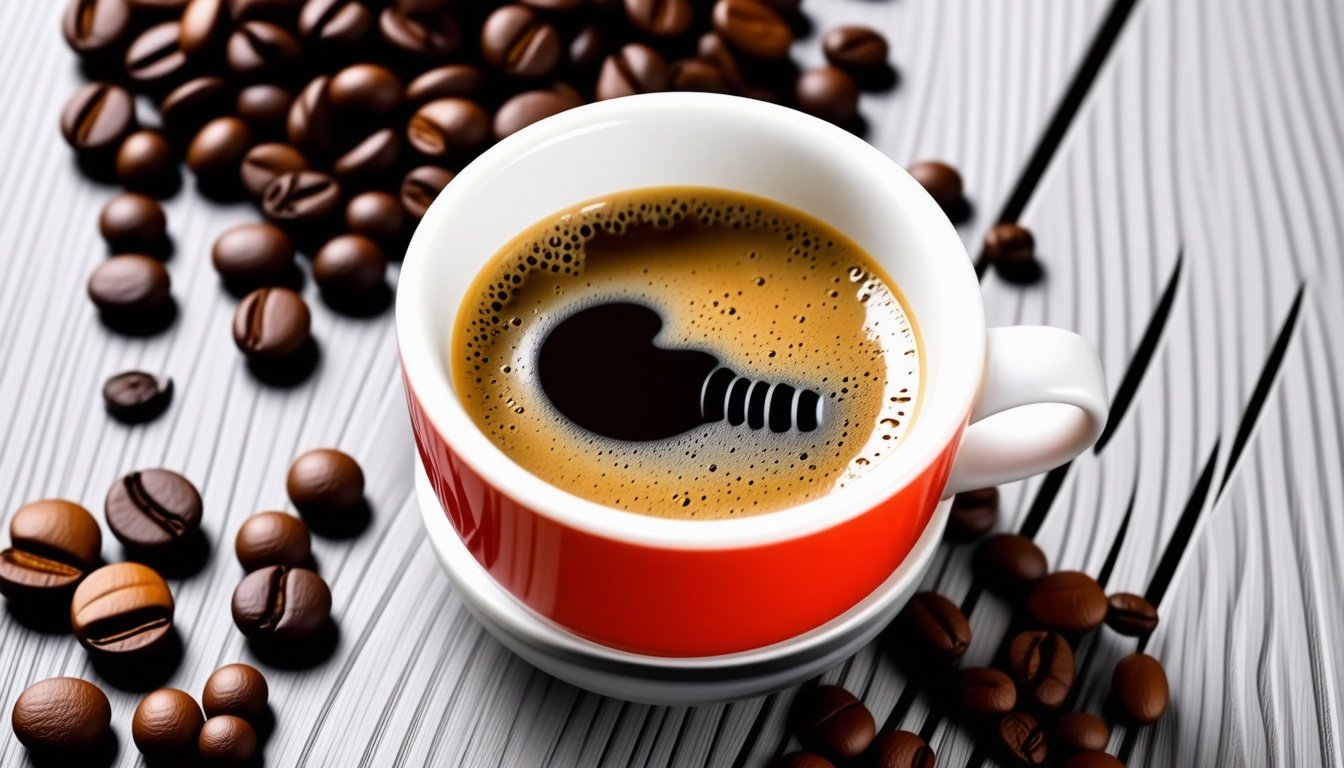
If someone had told me that the secret to better coffee was simply in the temperature of the water I used, I probably would have laughed. I mean, coffee is coffee, right? Beans, roast, grind, brew. Simple as that. But oh, no. The journey I went on—stepping into the quirks and wonders of home roasting—taught me that a few degrees in water temperature can twist, turn, and totally transform what lands in your cup. And trust me, I am here to spill every little detail about that wild adventure.
The Beginning of an Obsession
I started roasting coffee at home because, honestly, the stuff at the grocery store was falling flat. Bland. Boring. Like someone forgot to say the magic word during the roasting ceremony. So, I bought some green beans, an old popcorn popper (don’t judge), and went to town. The smell was intoxicating—sweet, nutty, smoky all at once.
First batches? Meh. Good enough to keep trying, but nothing to brag about. Still, every cup felt like a little victory. I was learning. Experimenting. Getting my hands dirty. It felt personal.
But then came the water. Not just the usual “pour and hope” method. Nope, this was about temperature. The heat at which I brewed my freshly roasted coffee changed everything. Let me tell you how that happened.
Water Temperature: The Secret Knob I Was Ignoring
Before I geeked out on this, my water was basically “hot enough to not be cold.” My kettle boiled, water hit 212 degrees Fahrenheit (that is 100 Celsius, for my metric friends), and I poured. End of story. But my coffees were bitter, sometimes sour, and often just plain flat.
One day, I was reading a blog (yes, I am that person) about brewing techniques. The writer mentioned that water temperature affects extraction. Extraction! That magic process where the coffee grounds release the good stuff into the water, creating the flavor. Too hot, and you risk burning the delicate compounds. Too cool, and you miss out on all the layers hiding in the beans.
So I started experimenting.
Lower Heat, Higher Flavor
I pulled out my trusty thermometer, filled my kettle, and let it cool down before pouring. Around 195 degrees Fahrenheit (about 90 Celsius) became my new standard. Right away, the difference slapped me awake. The bitterness backed off. The sourness mellowed. The cup bloomed with floral and fruity notes I never knew existed in my beans.
It was like the beans were whispering secrets I had never heard before. I even caught myself smiling over a simple sip, trying to figure out if I was tasting cherry or maybe a hint of dark chocolate. The coffee wasn’t just fuel anymore; it was a story.
Hotter Than Hot, But With Caution
Curious, I tried the other extreme too. What if I boiled the water and dumped it straight on the grounds, like my old habit? The result? Sharp, bitter, and frankly unpleasant. The hot water slammed into the coffee, ripping out every bitter compound it could, leaving no room for sweetness or balance.
So yeah, water that hot felt like a wrecking ball. The flavors were bruised and battered by the heat. It was a mess.
How Did I Come to Understand All This? Trial, Error, and a Lot of Tasting
Home roasting is a wild canvas. The green beans vary. The roast level varies. Even the grind changes. So, water temperature became a variable I could control like a mad scientist. I kept notes—temperature, brew time, grind size, roast level—and tasted everything. It was almost like a scientific game, except way more delicious and less boring.
With lighter roasts, a slightly lower temperature worked best. The fragile flavors needed gentler coaxing out of the beans, not a heat blast. Dark roasts, being bolder and more robust, could handle slightly hotter water without becoming nasty. This gave me a nice little rule of thumb:
- Light roasts: 190–195°F (88–90°C)
- Medium roasts: 195–205°F (90–96°C)
- Dark roasts: 200–205°F (93–96°C)
Adjusting the water temperature became a way to fine-tune the taste. This was no longer just “making coffee.” It was crafting a drink as personal as a handwritten letter.
Why Does Temperature Matter So Much?
When hot water meets coffee grounds, chemical compounds dissolve. These compounds create the flavors, aromas, and mouthfeel we love. The hotter the water, the faster and more aggressive the extraction. Cooler water extracts slower and more selectively.
If you think about it, water temperature is like the gatekeeper of flavor. It decides what gets through and what does not. And that gatekeeper has moods—sometimes demanding, sometimes gentle.
There is another twist: over-extraction. When water is too hot, and the coffee sits in it too long, compounds that taste bitter or burnt get pulled out. That is the face I was seeing in my early brews. Under-extraction, which happens with water that is too cool or brew time that is too short, leaves the coffee sour or weak. This balance is delicate and personal.
My Tools Changed, Too
I spent a small fortune on fancy kettles with temperature control. Yes, what a luxury! Being able to dial in the exact temperature felt like having a secret weapon. No more guessing. No more burnt coffee. I could hit 195 degrees one day, 200 the next, depending on the roast and mood.
And the difference it made? Mind-blowing. Each cup felt alive, nuanced, unpredictable in the best way. It felt like I was honoring the beans, not just heating them up and hoping for the best.
But let us be honest
All this talk about temperature might sound like a chore to some. Is it really worth the fuss? I get it. Coffee is supposed to be simple. But think about it: when you buy a good cheese, you do not just throw it into a sandwich. You treat it with care. You notice how it tastes at room temperature, you slice it just right.
Why not do the same with coffee? It is, after all, a craft, an art. And knowing that water temperature plays a starring role means you are halfway to coffee greatness.
Tips for Playing with Water Temperature at Home
- Use a thermometer: This does not have to be fancy. Even a simple kitchen thermometer can save you headaches.
- Let boiled water rest: If you boil your water, give it a minute to cool down before brewing.
- Match temperature to roast: Lighter roasts like it cooler; darker roasts can handle more heat.
- Take notes: Write down what you used and how it tasted. You will thank yourself later.
- Experiment with patience: Try small batches. Change one thing at a time.
The Emotional Side of Coffee Brewing
Maybe this sounds weird, but playing with water temperature made coffee feel more human to me. It broke the wall of casual brewing and made it intimate. It was like I was having a conversation with the beans, listening to what they wanted.
Some mornings, when the world felt too loud, I slowed down, warmed my water to just the right point, and brewed. The coffee was a quiet friend, steady and kind. Other times, I pushed the temp a bit higher for a bolder cup, ready to face a busy day.
Water temperature gave me a way to reflect, to pause, to enjoy. It was not just about caffeine anymore. It was about moments.
Final Thoughts
Changing the temperature of my water changed my coffee life. It turned a humdrum routine into an adventure. It taught me patience, curiosity, and the joy of trying again. Every new cup became a chance to discover something different, something more. And that is the best gift coffee has given me so far.
So the next time you brew, think about your water. Is it just hot? Or is it the right kind of hot? Because those few degrees might be the difference between a drink you gulp and a drink you savor.
After all, good coffee is worth the little extra attention, every single time.