
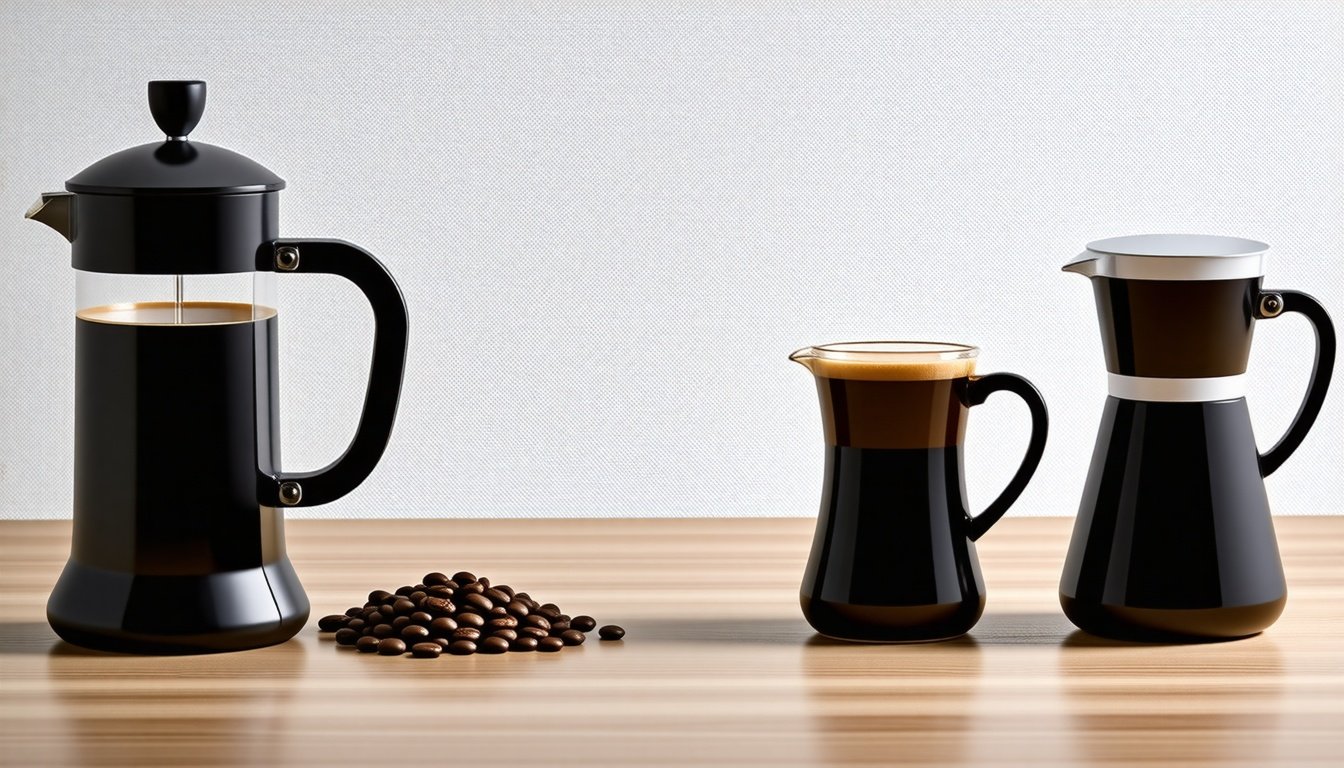
Every morning, I find myself standing in front of my tiny kitchen altar of roasted beans, spoons, kettles, and a couple of trusty coffee gadgets, wondering one simple yet oddly profound question: which brewing method do I pick today—French press or pour-over? It is not just a choice about how to start the day. It is a ritual, a mood setter, a little act of self-care that feels way more meaningful than it should. Like deciding between cozy blankets and crisp sheets, the choice shapes how my coffee tastes, how it hugs me from inside, and what kind of story it whispers while I sip.
You might think all coffee is coffee, but nope. And when you roast your own beans at home, the stakes get even higher. The tiny nuances, the quirks, the whole dance between your roast and your brew method—that is where the magic happens. Or, sometimes, where your coffee ends up tasting like a sad, burnt mess. Not fun.
Why I Roast My Own Beans (And Maybe You Should, Too)
There is a special kind of joy in roasting your own coffee. Like, you get to be a little scientist and an artist rolled into one. Watching green, raw beans transform into those glossy, aromatic nuggets of flavor that promise mornings full of possibility. When you roast yourself, you can tweak the darkness, experiment wildly with temperature and time, maybe even pick up hints of chocolate, flower, or cherry in your freshly ground cup.
But here is the catch—roasted beans are temperamental lovers. They respond differently to different brewing styles. Their attitude changes, sometimes drastically. This is where choosing between French press and pour-over starts to feel like less of a practical decision and more like choosing a dance partner who can either elevate your beans or step all over their toes.
Meet the Contestants: French Press vs. Pour-Over
Not all coffee makers are created equal. Here is a quick intro before I launch into my secret mental checklist for picking the right brew:
- French Press: Big, bold, and unapologetically full-bodied. It is the method that lets you steep coffee grounds in hot water for a few minutes before pressing the plunger down to separate the liquid from the grounds. You end up with a thick, rich cup that feels like a warm hug from an old friend who knows all your secrets.
- Pour-Over: Elegant, precise, and a little bit like a ritual in itself. You pour hot water slowly over coffee grounds sitting in a filter, letting gravity and patience work their magic. The result is a clean, bright cup where the intricate flavors get a chance to shine.
How I Decide Which to Use
The truth is, it comes down to mood, time, and the beans themselves. But beyond that, I have a little mental flowchart that goes something like this:
1. What Roast Do I Have?
If I have a darker roast, I lean toward French press. Dark roasted beans tend to develop smoky, chocolatey, and sometimes even caramel notes. The French press, with its metal mesh filter, lets the natural oils and fine particles into the cup. That extra texture and body plays well with dark roasts, giving me a thick, almost syrupy finish that feels downright luxurious on the tongue.
Light roasts, though, need the clarity and brightness that pour-over delivers. The paper filter catches most oils, leaving a cleaner cup that still celebrates the delicate fruity and floral notes roasting unlocked. Pour-over lets those gentle flavors breathe and stretch out rather than overshadow them with bitterness or heaviness.
2. How Much Time Do I Have?
Mornings can be chaotic. Sometimes I am running late, hair a mess, and only have ten minutes before the day tumbles forward. French press is my go-to then because I can throw the grounds in, pour boiling water, let it steep while I get dressed or scroll through phone chaos, then press and pour. Easy. No hovering required. Plus, I get a fuller cup that feels like a real wake-up call.
If I have time to slow down, if the morning stretches ahead like a lazy Sunday glow, I grab my pour-over gear. It turns coffee into a mindful project, a tiny meditation. I pour slowly, watch the bloom as hot water meets grounds, the coffee drip-drop into my favorite mug. It is a peaceful moment that makes the first sip taste even sweeter.
3. What Kind of Texture Am I Craving?
French press coffee is thick, almost chewy. It feels like something you bite into. If I want coffee that demands attention, one that fills the mouth and stays with me for a while, I pick French press. It is like eating a hearty stew instead of sipping clear broth.
Pour-over, on the other hand, feels like liquid sunlight. Crisp, clean, and fresh. It is that light summer salad compared to the stew. Sometimes, a cup like this matches my mood better—especially if I want the coffee to be a gentle presence instead of a loud voice.
4. How Do I Feel About Cleanup?
Confession time: I am not a fan of scrubbing tiny parts first thing in the morning. French press requires rinsing the grounds and washing the plunger and the glass carafe, which can be a bit fiddly.
Pour-over is just as high-maintenance, maybe even more, depending on your filter type and dripper. Paper filters are easy—just toss them out—but reusable filters need rinsing and occasional scrubbing. Still, with pour-over, there are fewer parts and less mess in general.
5. What Is the Bean’s Personality?
When I roast beans, I get to know them—their sweet spots, their rough edges. Some beans, especially single-origin light roasts, have subtle flavors that can get lost in the thick sludge of a French press. Those beans ask for a delicate, filtered pour-over treatment.
Other beans, especially blends or darker roasts, kick up their heels in the French press, showing off the full spectrum of flavors and body.
Some Thoughts About Water and Grind Size
Okay, this is where things get technically spicy. If I do not pay attention to grind size, water temperature, and pouring technique, the whole French press vs. pour-over debate becomes meaningless because the coffee will taste… meh. And nobody wants meh.
- French Press: I use a coarse grind. Think chunky, like sea salt. Too fine, and the plunger gets stuck or the coffee turns bitter and cloudy.
- Pour-Over: Medium to medium-fine grind, like sand. This lets water flow evenly while soaking enough flavor from the grounds.
- Water Temperature: Hot, but not boiling—around 200 degrees Fahrenheit. Too hot will scorch the beans; too cool will leave the coffee weak.
Personal Rituals and Emotional Attachments to Each Method
Besides flavor and technique, brewing coffee is a ceremony. The French press feels like a little piece of old-school joy. I hear the plunk of the press, see the rich, dark liquid slowly stir as I push the plunger down. It feels tactile, a little defiant—I am making coffee my way, no shortcuts.
Pour-over is more like a love letter to patience. I get to pour water in gentle circles, watch coffee bloom and bubble like magic. It is quiet and calm, a reminder to slow down even if the day will get busy later.
And honestly? Sometimes the decision is totally emotional. It depends on how I am feeling that morning, who I am with, what I want my coffee to say to me.
When I Mix Things Up
I do not always stick to one or the other. Sometimes that is how the best coffee adventures begin—throwing convention out the window.
I have tried a lighter roast in the French press, just to see what happens. Sometimes it comes out as a muddy mess, but other times? It surprises me with unexpected richness, a kind of buttery smoothness I did not expect.
Pour-over with a dark roast? It brightens the roast, teasing out subtle sweetness that I never noticed before. Coffee is so funny like that—never the same twice, always changing with the method, the environment, the mood.
How You Can Decide for Yourself
If you roast your own beans or are thinking about it (and you really should try), here is what I recommend:
- Experiment: Try the same batch of beans with both French press and pour-over. Taste carefully, take notes, and be honest with yourself about what you like.
- Listen to Your Mood: Some mornings want a big hug, some want a gentle nudge. Match your brew to your feelings.
- Pay Attention to Time: Not every day lets you slow down. Have a quick method and a slow method ready.
- Invest in Good Gear: A decent grinder makes a huge difference. Fresh grind size matters more than you think.
- Have Fun: This is your coffee, your moment. No one else’s rules.
Final Sip
So, French press or pour-over? The answer is always yes, to both—in different ways, for different days. Your roasted beans deserve the chance to sing in various keys and volumes. Listen closely and you will hear the hints they offer. Trust me, it will change how you see coffee forever.
And if you ever find yourself staring at your kitchen counter, beans between these two mighty brewers, just remember—it is all about what feels right inside that morning silence. Because coffee is never just coffee. It is a tiny spark of joy you get to control, every single day.