
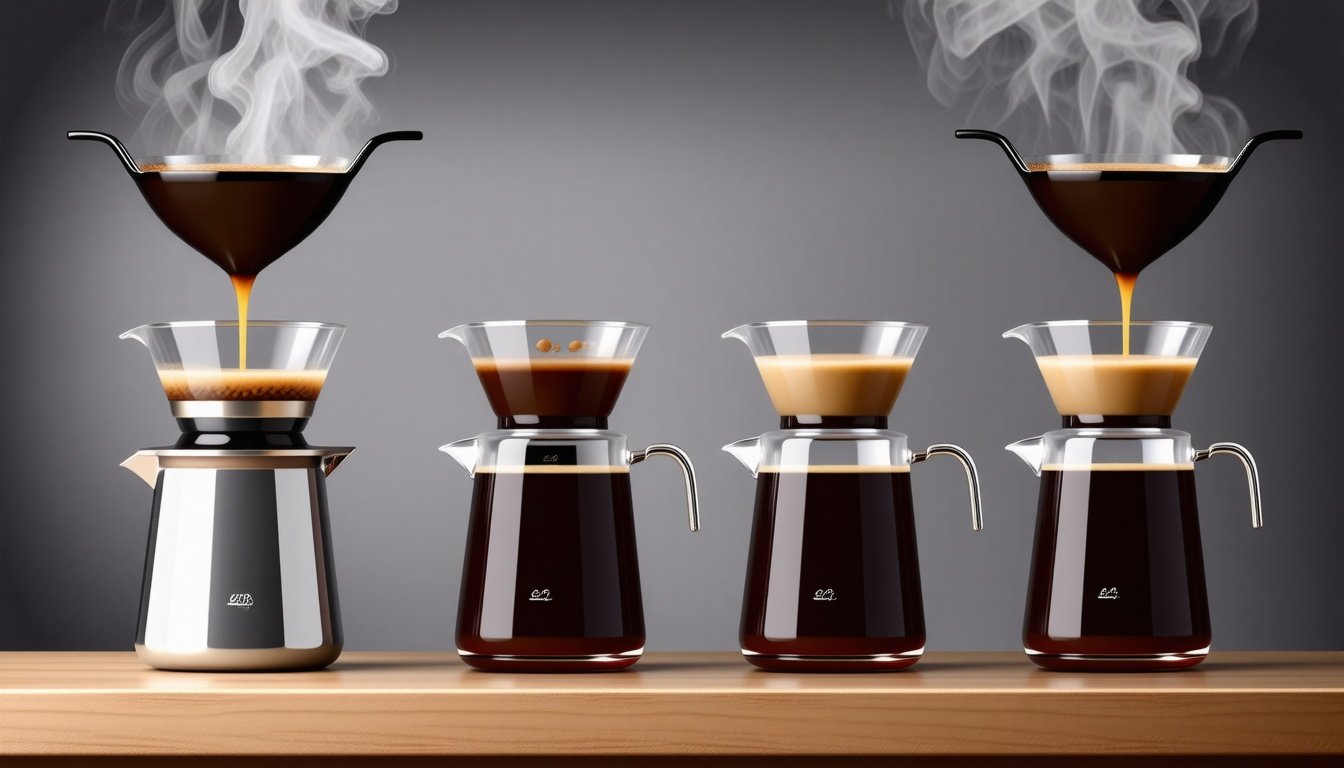
If you have ever roasted your own coffee at home, you know there is a wild kind of pride in those freshly toasted beans. You watch them pop, swirl in color, and fill your kitchen with a scent that feels like a warm hug. But then comes the kicker: brewing. Because no matter how lovingly you roast, if the brewing method does not match your beans, the flavors do not dance. They sit there, shy and underwhelming. I have been there. So, over many mornings and a few too many spilled cups, I have found the ways to bring out the soul of my roasts. And I want to share them with you, like a friend passing along a secret recipe.
The Beautiful Struggle of Roasting and Brewing
Roasting coffee at home is part science, part art, and all heart. You can carefully watch the beans as they go from grassy green to nutty brown to nearly black, and each stage holds a promise. But those promises are fragile. The method you pick to brew your gems can turn your lovingly roasted batch into a flat, bitter puddle or a bright, complex cup that sings with every sip.
So I ask myself every time: How do I let my roasts be themselves? How do I marry that smoky sweetness, bright fruit notes, or the subtle earthiness with the right brewing method? The answer is not one-size-fits-all. It is more like a small adventure involving some trial, error, and joy. Let me walk you through what works for my beans and why you might find your own favorite way too.
French Press: The Full-Bodied Best Friend
French press, or press pot, is like a no-nonsense friend who tells it like it is and never holds back. If you roast your beans to medium or darker, this brewing style is your go-to. It allows the oils and tiny particles from your beans to stay in the brew, which gives you body — a thick, rich one — that coats your mouth like a velvety blanket.
Here is the magic: When I roast beans that carry chocolatey, nutty notes, or even a smoky edge, the French press pulls out those character traits beautifully. The water interacts closely with the beans for about four minutes, soaking in every bit of flavor.
But beware, French press is not the place for very light roasts or delicate floral beans. The heavier brew can overpower those subtle flavors and make them taste muddled. Also, you will want a coarse grind here. A fine grind turns the brew into sludgy mess — trust me on this.
My simple French press ritual:
- Coarse grind around the size of breadcrumbs
- Use freshly boiled water, then let it cool a bit (about 200°F or 93°C)
- Stir gently after adding water, then place the lid with the plunger up
- After 4 minutes, press down slowly and pour immediately
This method lets the coffee’s oils and some sediment mingle, delivering depth and texture. It is like a coffee hug — warm, full, and comforting.
Pour-Over: The Artist’s Canvas
Pour-over is the coffee lover’s way of saying, “Let me craft something beautiful.” It feels delicate and precise, like painting a picture with every pour. When your roasts are lighter, and you want to highlight brightness, floral notes, or fruitiness, pour-over shines.
With a paper filter catching oils and fine particles, the brew stays clean and crisp. This means you get clarity of flavor, not muddiness. Light roasts can sometimes taste sour or sharp if brewed too strong or fast, but pour-over lets you slow down the process and coax out their charm.
Here is my simple pour-over guide:
- Use a medium-fine grind, something like granulated sugar
- Start by wetting the grounds gently with a little hot water to “bloom” for 30 seconds
- Pour slowly and evenly in circles, keeping the coffee bed saturated
- Aim for a total brew time around 3 to 4 minutes
This method is a slow dance with your coffee, rewarding the patient with clarity and subtle sweetness. You can almost taste the variables of your roast — whether it is berry brightness or that special honey note.
AeroPress: The Versatile Wonder
If brewing were a sport, AeroPress would be the all-star player. It combines the quickness of espresso pressure with the simplicity of immersion brewing. And it lets you tinker. You can adjust grind size, water temperature, coffee-to-water ratio, and brew time to find that perfect balance for your roast.
I love AeroPress for those times when I want a cup that feels concentrated without the bitterness of a strong espresso. It works for medium roasts that carry fruit and nut notes or light roasts that want a bold stage. It is also quick, making it perfect for sleepy mornings.
My AeroPress basics:
- Fine to medium grind
- About 175-185°F (80-85°C) water temperature
- 1:15 ratio of coffee to water works great
- Stir for 10 seconds, then press gently for 30 seconds
The result is a smooth cup that feels like a warm conversation, not a harsh wake-up call.
Cold Brew: The Smooth Operator
Cold brew is a kind of wizardry that takes a long time but rewards you with pure magic. When you roast beans with lots of chocolate or caramel notes, cold brew pulls out their smooth, mellow side. The slow extraction over many hours tames any potential bitterness and emphasizes sweetness.
Cold brew is also a blessing for hot days when the last thing you want is a steaming cup. It feels refreshing and gentle, but never boring.
How I make my cold brew:
- Coarse grind of beans
- Mix coffee and cold water in a 1:8 ratio
- Let it steep in the fridge for 12 to 16 hours
- Filter through a fine mesh or paper filter
The result is a coffee that glides over your tongue, silky, and sweet like a secret hug from an old friend.
Espresso: The Intense Shortcut
Espresso is that tiny, powerful shot that can shake up your whole day. It demands dark or medium-dark roasts because the short, high-pressure brew pulls out concentrated flavors quickly. If you roast your beans darker for that chocolatey, caramelized edge, espresso might be the way to go.
But there is no room for mistake here. Grind too coarse or tamp unevenly, and the shot falls flat. I have had my share of bitter, burnt little cups that made me question my life choices.
Espresso tips I live by:
- Fine grind, almost powdery
- Even tamping pressure around 30 pounds
- Water temperature between 190-200°F (88-93°C)
- Extract shot between 25 to 30 seconds
When done right, espresso is like a shot of joy, bitter and sweet in a perfect punch. It captures the roast’s essence in a powerful little cup.
Why Match Brew Method to Roasts?
My coffee journey taught me something simple but huge: Not every bean wants the same treatment. Light roasts want to show off their subtle notes — delicate fruit, floral hints, brightness — and they do that best with methods that give clarity. Pour-over and AeroPress are brilliant here.
Darker roasts tend to carry more weight, body, and sometimes a smoky edge. They want fuller immersion or pressure methods to bring forward those deep notes. French press and espresso answer the call.
Of course, there are exceptions and your personal taste matters above all. You might find a light roast you adore through a French press or a dark roast that sings cold brewed. The important part is to pay attention, taste daringly, and trust your palate.
Some Final Thoughts: Your Coffee, Your Rules
Roasting and brewing at home is part magic, part mess, part miracle. It can surprise you and frustrate you in the same breath. But it teaches patience, curiosity, and joy.
The biggest lesson I have learned is that coffee is alive. It changes depending on the day, the roast, the water, the weather, and even my mood. Some mornings I want a bright cup that wakes me gently. Other times, a deep, rich brew to sit with me like an old friend.
So go ahead. Experiment with brewing methods. Play with grind sizes and water temperatures. Taste carefully and savor the quiet moments when your roast finally speaks clearly. Because that first sip is never just about caffeine — it is connection, comfort, and a little bit of magic.