
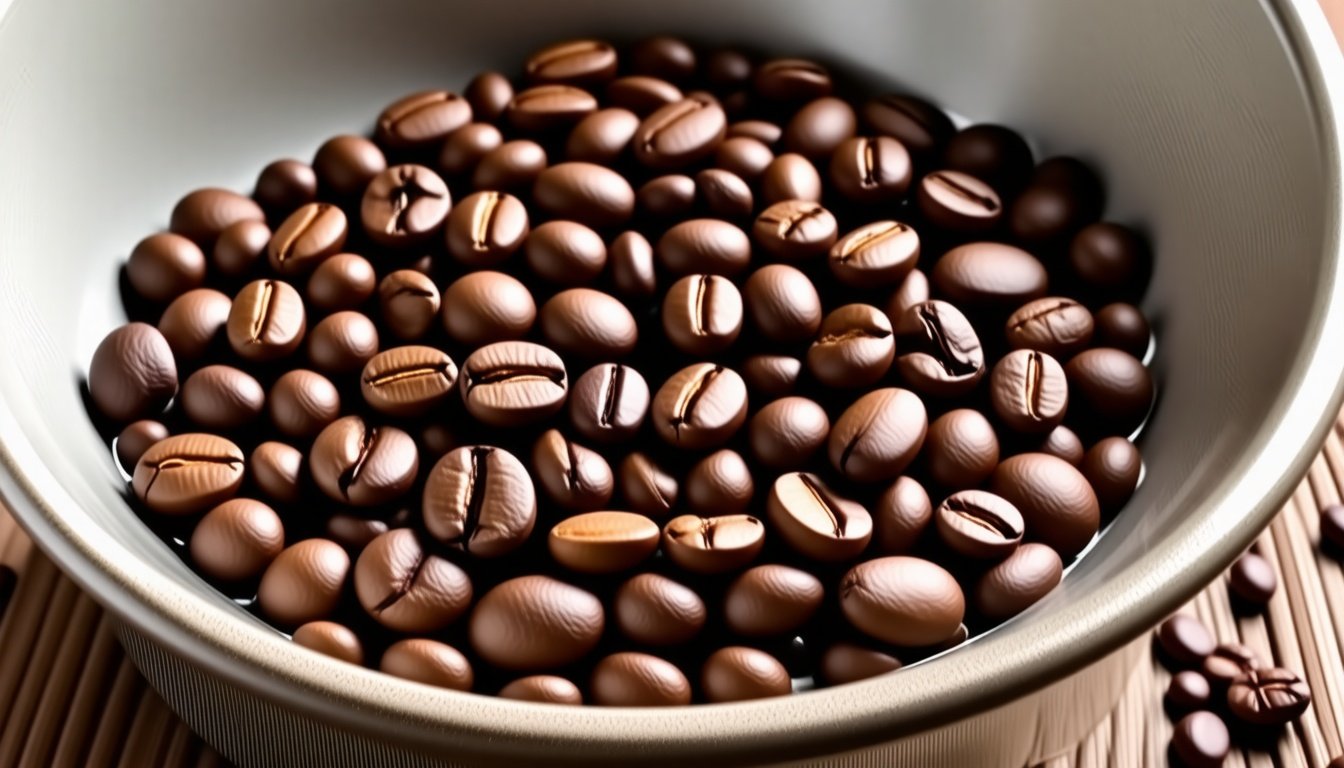
There is something magical about the smell of freshly brewed coffee at home, especially when you have roasted the beans yourself. It is like holding a tiny liquid sunbeam in your cup—warm, alive, and whispering stories of distant farms, quirky farmers, and long journeys across continents. But here is the thing: roasting your beans is only part of the story. How you brew them is where the real art kicks in. I mean, you could roast the most beautiful coffee in the world, but if you treat it like some average packet from the store, you lose all the personality those beans worked so hard to show off. So, how do you brew your home-roasted beans to highlight those unique flavors? Buckle up. I am about to share my secret love story with coffee brewing.
Why Brewing Matters as Much as Roasting
When I first started roasting at home, I focused all my energy on getting the roast just right—the crack, the color, the smell. Roasting is fascinating, don’t get me wrong, but I quickly learned that no matter how perfect my roast looked, if I brewed it carelessly, it tasted meh. And what was the point of all those meticulous spins of my popcorn popper (yep, that was the beginning) if it did not shine in the cup?
Brewing coffee is like cooking a perfect steak. You can have the best prime rib, but if you throw it on a grill that is too hot or leave it in the pan too long, you end up with charred disappointment. Or undercooked confusion. So brewing is a bit of a dance with the beans you have roasted—nurturing them, coaxing their best flavors out, and giving them room to sing.
The Basics: How I Start Every Brew
I keep it simple but exact. Here is the routine that never fails me.
- Grind fresh: I grind right before brewing. No exceptions. Coffee starts losing its character almost immediately after grinding. Just a few minutes on the shelf, and you are already losing some of that crispy, bright zing.
- Use clean water: Not just “okay” water—the kind you drink because you have to. I boil filtered water that tastes good on its own. If your water tastes weird, your coffee will taste weird too.
- Watch your ratio: This is where people trip up. Too much coffee and it gets bitter, too little and coffee is weak and sad. I use about 1 gram of coffee for every 15 grams of water. That is my sweet spot.
- Mind the temperature: Water that is too hot burns the coffee; too cold and the flavors do not extract well. I aim for about 200°F (93°C). That is just below boiling and just right for most beans.
Finding the Right Brewing Method for Your Beans
Now, not every bean likes the same treatment. I learned this the hard way. One of my first roasts was a bright Ethiopian with notes of blueberry and jasmine. I treated it like my deep, chocolatey Sumatran beans. Disaster. The Ethiopian became bitter and sour, like a bad breakup.
So, how do you know what brewing method suits your beans? Here are some quick clues from what I have learned:
- Light to medium roasts: These beans like to breathe. Pour-over methods like the Hario V60 or Chemex work wonders. They highlight subtle floral, fruity, and acidic notes.
- Medium-dark roasts: These are versatile. I often use a French press or Aeropress to get a richer, fuller body without losing complexity.
- Dark roasts: These beans often turn smoother and more chocolatey with espresso or moka pot brewing.
Experimenting is half the fun. One day I will brew a light roast in an Aeropress to see what happens. Sometimes it surprises me with a creamy texture. Every bean tells you a story, but you have to listen closely.
The Finessing: Tweaks That Make a Big Difference
Once you have your method down, you start playing, adjusting little things here and there. These tiny changes are where home brewing becomes an exciting game.
- Grind size: Coarser grinds slow extraction, finer speeds it up. If your coffee tastes sour or weak, try a finer grind. Bitter? Go coarser.
- Brew time: This varies by method but matters a lot. A few extra seconds steeped in hot water changes everything. French press? Around four minutes feels just right. Pour-over? Keep it between two to three minutes.
- Bloom: When pouring water on fresh coffee grounds, you see the coffee “bloom”—a foaming, bubbling release of gases. I always pour a little water first and let it bloom for about 30 seconds before pouring the rest. This wakes the coffee up and gives a cleaner cup.
- Water quality and temperature: These always come back to haunt you. If your coffee tastes flat, check your water. If it is too hot, the flavors get harsh. Play around, taste, and trust your tongue.
My Favorite Brew: The Pour-Over Ritual
If I had to pick one method to honor my home-roasted beans, it would be the humble pour-over. This method gives me control over every little detail—and that control means a lot.
Here is how I do it:
- Set up a Hario V60 on my favorite mug or carafe.
- Place a fresh paper filter and rinse it with hot water to get rid of any paper taste and preheat the gear.
- Dump in my freshly ground coffee—usually around 20 grams for about 300 grams of water.
- Start pouring about 40 grams of water slowly, allowing the grounds to bloom and bubble for close to 30 seconds.
- Pour the rest of the water in gentle, circular motions, keeping the water level consistent.
- Total brew time: about 2 minutes and 45 seconds. Then I let it drip out the last drops.
The result? A cup that sparkles with brightness and clarity. I feel like I am drinking sunshine with a floral necklace. The process makes me slow down. It is meditation, science, and magic in one cup.
When Things Go Wrong (And How I Rescue the Cup)
Not every batch comes out perfect. And that is okay. Sometimes the coffee tastes flat, sour, or just plain boring. Usually, these are the signs:
- Under-extracted (sour, weak): The water did not pull enough flavor. Usually means grind is too coarse, or brewing time too short.
- Over-extracted (bitter, harsh): Water dwelled too long or was too hot, or grind too fine.
- Off-flavors (paper, chemical): Could be dirty equipment, bad water, or stale beans.
I fix these by adjusting grind size, brewing time, or cleaning my tools. Sometimes I switch methods entirely—like going from French press to Aeropress. The great thing about home roasting and brewing is you get to tailor every aspect. No more one-size-fits-all coffee misery.
Why This Whole Thing Is Worth It
Why go through all this fuss, you ask? Because coffee is not just about caffeine. It is about a little ritual that punctuates your day with something beautiful. It connects you to nature and culture and, honestly, sometimes saves your morning.
When I brew my home-roasted beans with care, I taste the earth, the sun, the hands that picked those cherries. It is a reminder that there is a bigger world out there—full of stories and wonder—and that I get to savor a little piece of it every day.
So, if you roast your own beans or ever want to, take your time brewing. Listen. Learn. Play with your grinder, water, and time. Your cup will thank you by tasting alive, unique, and just a bit magical. And that, to me, is worth waking up for.