
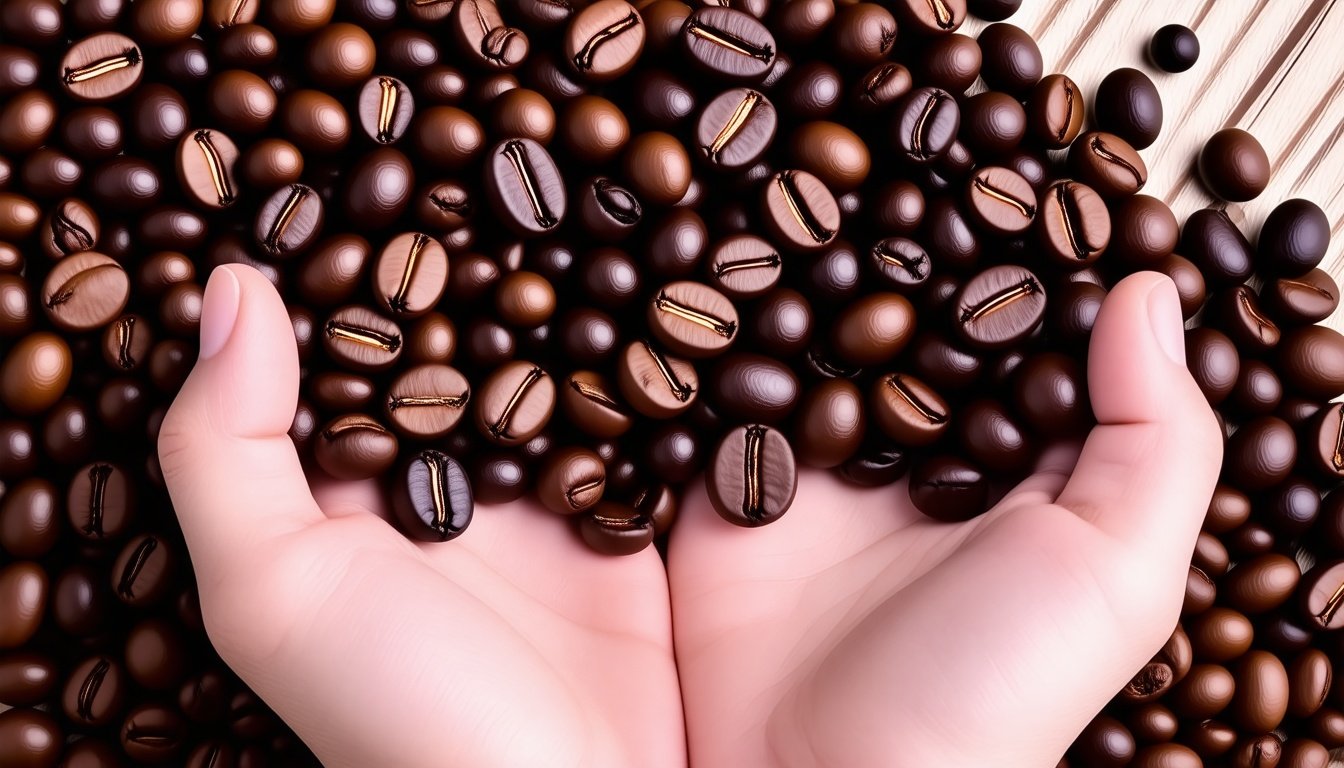
There is something almost magical about the smell of freshly roasted coffee beans. That rich, toasty scent that fills your kitchen like a warm hug. For years, I thought all coffee was basically the same. Beans, water, heat, done. But then I started roasting my own beans at home, and wow—my whole coffee world flipped upside down. Suddenly, freshness became this wild, fascinating thing that shaped every cup I brewed. It was like discovering the secret sauce that baristas guard so jealously.
Before this, I never cared much about how fresh my coffee was. I bought pre-ground bags from the grocery store, sometimes weeks old, sometimes a month old. Coffee was coffee, right? Wrong. Roasting my own beans taught me more than just how to crank a little popcorn popper or heat a pan. It taught me that freshness is not a vague concept tossed around like a buzzword. It is the heartbeat of flavor, the difference between meh and mouthwatering.
The Myth of “Fresh” Coffee in Stores
Let us start with the sad truth: most coffee sitting on supermarket shelves has been roasted weeks ago. Sure, the bags say “freshly roasted” or “roasted on” some date, but by the time they reach you, that freshness has faded. Imagine buying bread that was baked three weeks ago. Weird, right? Coffee is the same. It starts to lose its vibrant oils and delicate aromas soon after roasting.
Most grocery store coffee has sat in warehouses, traveled hundreds of miles, then waited on store shelves. By the time you open the bag, it may be stale without you even realizing it. You might blame the brewing method or water temperature, but really, you are fighting a losing battle against time and air exposure.
Roasting my own beans changed how I see this. It put me in control of freshness. Instead of ordering mystery beans and waiting for delivery, I roasted small batches and brewed them the same day or within a few days. The result? Cups bursting with brightness, complexity, and life.
Why Freshness Matters So Much
When coffee beans are roasted, they undergo intense chemical changes. Sugars caramelize, oils develop, and aromas burst forth. But these changes do not stop at roasting—they keep evolving. Freshly roasted beans need a little “rest” to let carbon dioxide gas escape. This resting phase is called “degassing,” and it typically takes 24 to 72 hours. If you brew coffee too soon, you might get a fizzy, off taste.
After that resting period, beans are at their peak. They reveal their full flavor potential. Then, slowly but surely, air, light, and moisture attack those precious oils and aromas. The coffee loses brightness, turns flat, and tastes dull or bitter.
Roasting my own beans meant I had to learn the delicate dance between too fresh and not fresh enough. Brew too early, and the coffee feels harsh. Wait too long, and it fades into disappointment. But once I hit that sweet spot? Oh man, it was like sipping liquid gold.
The Flavor Rollercoaster
- Day 0 (Roast day): Beans smell amazing, but coffee tastes a bit raw and fizzy.
- Day 1-3: Spectacular flavor; balanced acidity, sweetness, and body.
- Day 4-7: Still good, but some subtle notes begin to soften.
- After Day 7: Coffee fades, flavors dull, and bitterness creeps in.
The problem with store coffee? Most of it lands in your cup well past Day 7, sometimes even Day 14 or later. No wonder it tastes blah.
Roasting at Home: What I Learned About Freshness
Let me tell you, roasting your own coffee beans is not just a kitchen experiment—it is a tiny revolution. At first, I bought a small electric roaster that looked like a futuristic popcorn popper. I thought it would be easy, but it took a few tries to get the roast right and not burn the beans into charcoal.
Here are some lessons I learned about freshness from my home roasting adventures:
1. Roast Small Batches Often
I used to think roasting in bulk was smarter. Nope. Freshness lives in small batches. Roast just enough beans to last you a few days. That way, you are always sipping coffee that feels alive.
2. Let Your Beans Rest
Remember degassing? Let your beans sit in an open container for about 24 hours before grinding and brewing. It makes a big difference. Also, never seal your freshly roasted beans airtight right away—that traps gas and ruins the flavor.
3. Store Beans Properly
Air, light, and moisture are the enemies. I keep my roasted beans in an opaque, airtight container at room temperature. The fridge or freezer? Not necessary if you consume beans quickly. Freezing can suck flavors out over time.
4. Grind Just Before Brewing
Grinding makes coffee vulnerable. The larger the surface area exposed, the faster the aromas vanish. Grinding moments before brewing locks in flavor. This was a game changer for me. No more grinding for a week’s worth and watching it lose pep day by day.
How Freshness Changes Brewing
Once I started roasting and drinking fresh coffee, my brewing game changed too. I noticed things I never thought about before:
- Water Temperature: Fresh coffee loves water just off boil (about 200°F). Too hot and it becomes bitter; too cool and it feels weak.
- Brew Time: With fresh beans, I had to adjust brew times because extraction happens differently. Sometimes it takes less time to get that perfect cup.
- Grinding Settings: Fresh beans respond to grind size tweaks more sharply. Dialing in your grinder feels more like an art than a chore.
Fresh roasted beans are forgiving but demanding at the same time. They reward patience and attention but punish laziness.
The Emotional Connection to Freshness
Here is the thing: roasting and fresh coffee is not only about the taste. It is about what happens inside you. Every morning when I roast beans, I feel a spark of excitement, a gentle ritual that grounds me. The smell, the sound of cracking beans, the warmth in the kitchen—it all connects me to something real and alive.
It is a little act of care I give myself. A moment of mindfulness before the chaos of the day. And the cups that come out keep reminding me of that love. Coffee becomes more than a drink. It becomes a story, a memory, a little celebration.
Why Not Try Roasting Your Own?
If you are reading this and thinking, “That sounds complicated,” I get it. It sounds intimidating, but home roasting can be as simple as heating beans in a pan or using an air popcorn popper. It is a playground for curiosity. You do not have to be perfect; you just need to start.
Once you roast your first batch and taste the difference, you will realize how much freshness matters. And that realization alone turns your coffee routine into something joyful and alive.
Helpful Tips for Beginners
- Start Small: Try roasting 50 grams or less until you get the hang of it.
- Use Light to Medium Roasts: They highlight freshness and flavor more than dark roasts.
- Take Notes: Keep track of roast times, temperatures, and flavor outcomes.
- Experiment with Beans: Different origins and varieties behave differently; freshness affects them uniquely.
- Be Patient: Freshness needs days to settle after roasting; give your beans time.
Final Thoughts
Roasting my own coffee beans taught me a simple truth: freshness is everything. Not freshness as a vague idea, but freshness as a sensory experience that transforms the way coffee tastes and feels. Holding the power to roast, rest, grind, and brew my own coffee gave me a sense of connection to a craft that most people only see in cafes.
Next time you sip your morning coffee, think about the journey those beans took. Was it fresh? Or has time sucked out the life? If you want to taste coffee’s full potential, roasting your own might just be the adventure you did not know you needed.
And honestly? There is no better feeling than brewing that first cup from fresh-roasted beans and realizing coffee can be so much more than just a habit. It can be a small, beautiful act of joy.